
Dune Heath
A Rare and Special Habitat
The Sefton Coast supports one of the rarest wildlife habitats in the UK: dune heath. This internationally scarce habitat forms in only a few places where sand dunes have developed over long periods of time. It is most often found on the oldest, most stable dunes towards the landward edge of the system.
Dune heath is particularly important on the Sefton Coast, where it forms part of a wider mosaic of habitats within England’s largest dune system
How Dune Heath Forms
Dune heath develops over centuries through natural processes. As rainwater percolates through the sand, it gradually washes out the calcium from seashell fragments. Over time, this process—known as leaching—turns the sand from alkaline to acidic.
Only once these acidic, nutrient‑poor conditions develop can heathland plants such as heather establish. This process can take around 300 years, making dune heath a very slow‑forming and irreplaceable habitat.
A Distinctive Landscape
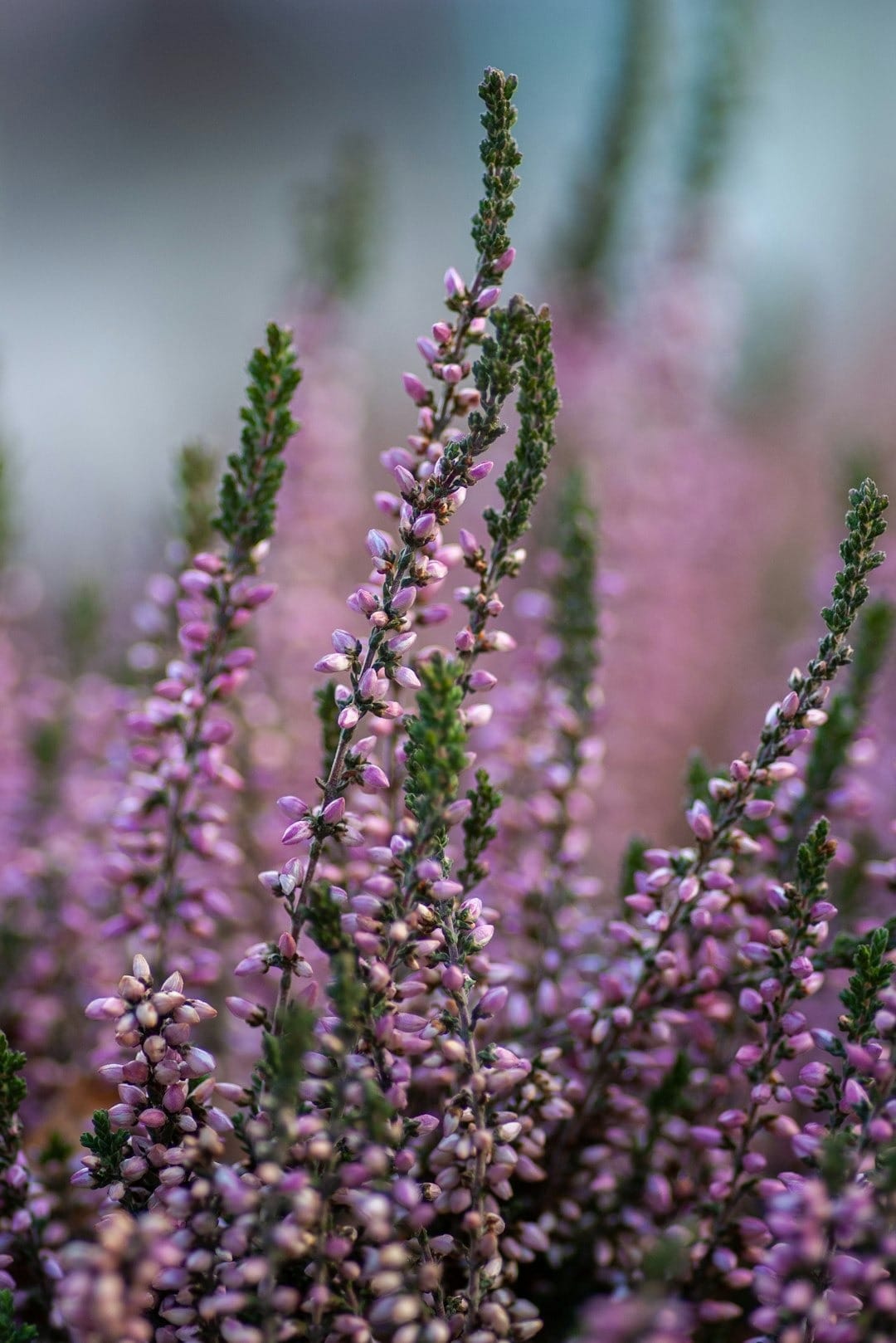
Dune heath is characterised by open, low‑growing vegetation on dry, sandy soils. Heather (Calluna vulgaris) is the defining plant, often mixed with species such as gorse, sand sedge, fine grasses and lichens.
This creates a unique landscape, particularly in late summer when flowering heather produces a distinctive purple colour across the dunes. The habitat often exists alongside patches of scrub, woodland and acidic grassland, forming a varied and complex environment
Supporting Specialised Wildlife
Although it can appear dry and exposed, dune heath supports a rich range of specialised wildlife adapted to acidic and nutrient‑poor conditions.
On the Sefton Coast, it provides habitat for:
- Invertebrates such as dragonflies, damselflies and specialist heathland insects
- Birds and mammals associated with heath and woodland edges, including red squirrel in adjacent habitats
These species depend on the open, sunny conditions and structural diversity that dune heath provides.
A Habitat in Decline
Dune heath is extremely rare and has declined significantly across the UK. On the Sefton Coast, much of this habitat has been lost or fragmented due to historic land use changes, including woodland planting, development and agriculture
Because it forms only on older dunes, it is often located in areas most affected by human activity. As a result, what remains is typically limited to small, isolated patches.

Management and Restoration
Without active management, dune heath can quickly be lost through natural succession, as scrub and trees take over and shade out heather and other specialist plants.
Conservation management focuses on maintaining open conditions by:
- Removing scrub and invasive species
- Managing vegetation through cutting or grazing
- Restoring bare sand and heathland structure
These actions help to protect and reconnect remaining areas of dune heath, supporting both biodiversity and the long‑term resilience of the dune system.
Why It Matters
Dune heath is a key part of the Sefton Coast’s natural heritage. Its rarity, slow formation and specialised wildlife make it particularly valuable. Protecting and restoring this habitat plays an important role in wider efforts to conserve dune landscapes and support biodiversity recovery across the coast.