
Case Study : Red Squirrel Recovery Network
Securing the Future of Red Squirrels
Overview
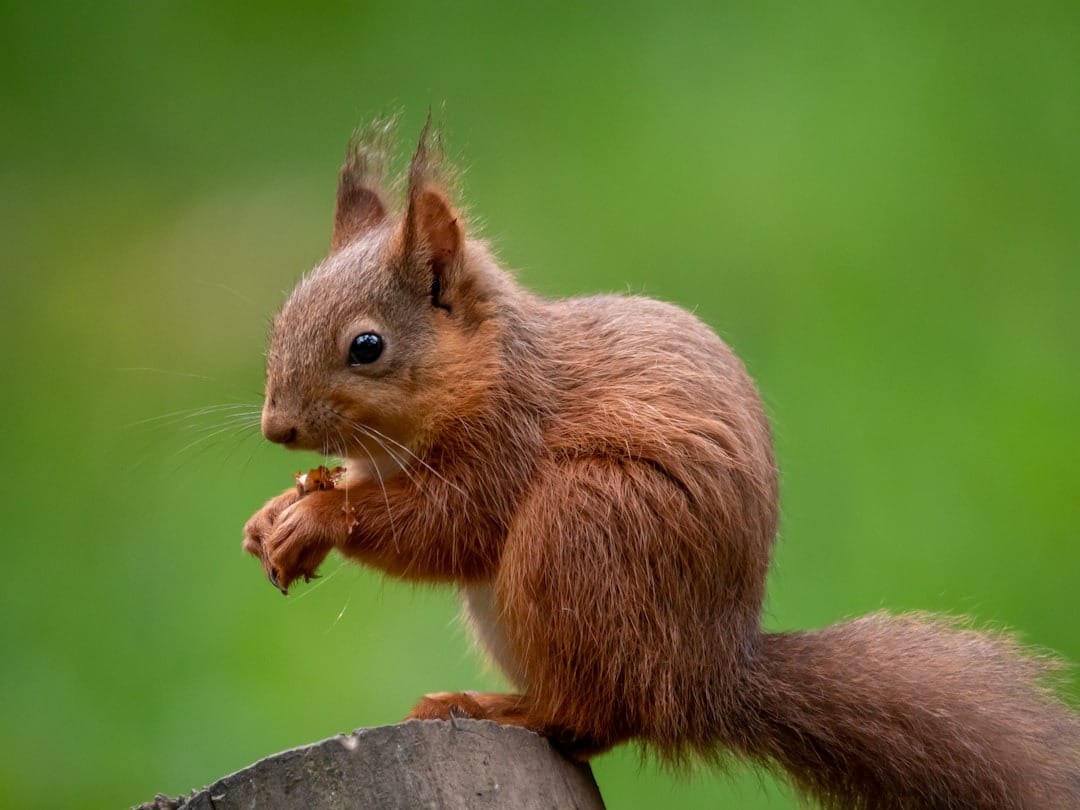
The Red Squirrel Recovery Network (RSRN) is a large-scale, collaborative conservation programme working to secure a long-term future for red squirrels across northern England and southern Scotland. Funded by The National Lottery Heritage Fund, the programme brings together local delivery partners, national organisations and more than 50 volunteer groups.
Without sustained, coordinated action, red squirrels are at risk of disappearing from much of the UK within the next decade. The RSRN responds to this challenge through a landscape-scale, evidence-led approach that combines habitat management, species monitoring, grey squirrel management and strong community involvement.
The Importance of the Sefton Coast
In Sefton, the RSRN plays a particularly important role because the coast forms part of a wider ecological network of woodlands extending inland. This network supports remnant red squirrel populations and provides the habitat links needed to reconnect core areas, helping to deliver national recovery objectives at a local level.
Woodland Networks and Habitat Connectivity
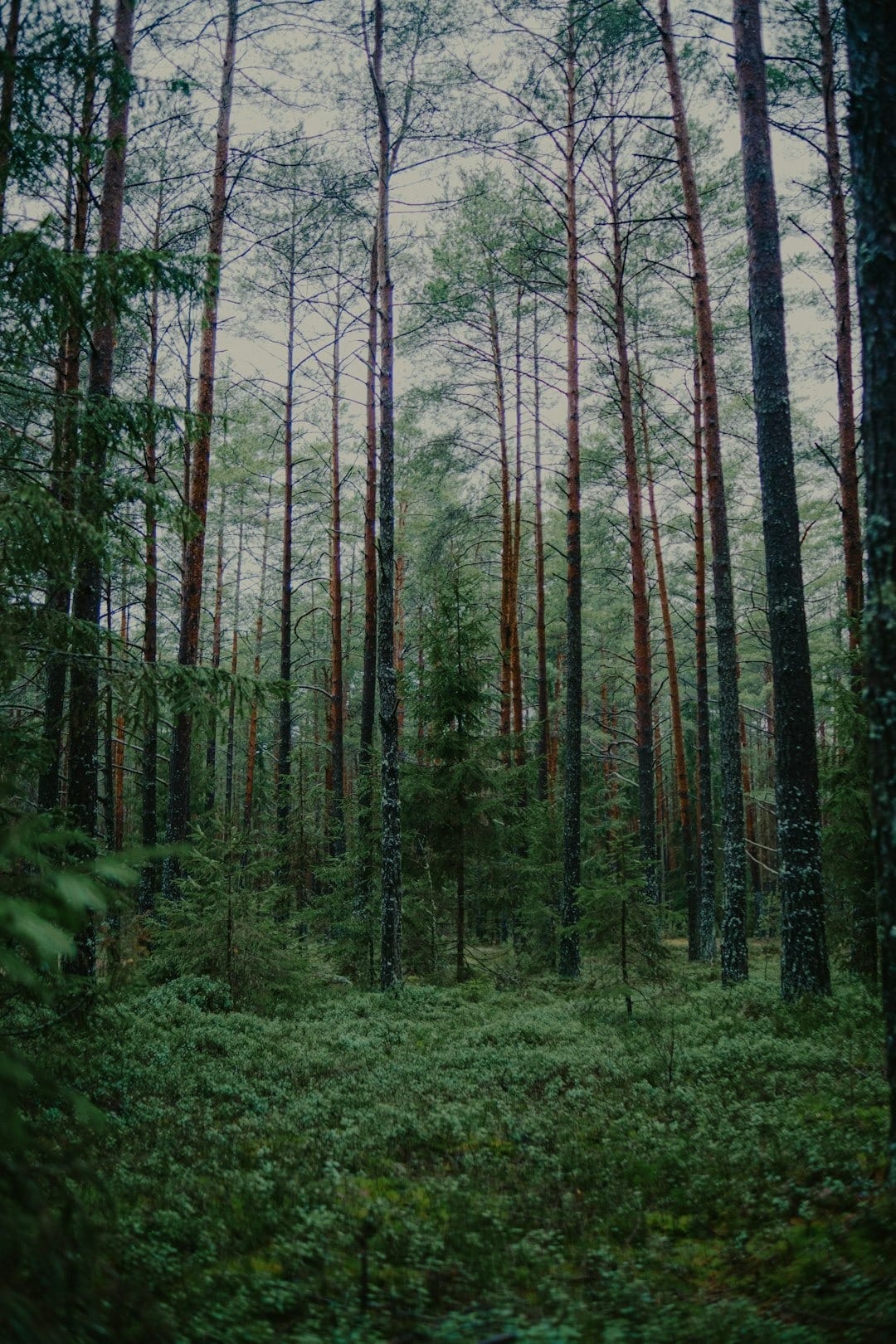
Good quality woodland further inland is fundamental to the long-term resilience of red squirrel populations. These inland woodlands provide core habitat where red squirrels can feed, breed and maintain healthy, genetically viable populations.
Coastal woodlands along the Sefton Coast play a supporting role, acting as buffer areas and stepping stones that reduce habitat fragmentation. Strengthening connections between inland woodland blocks and the coast increases opportunities for dispersal and allows populations to expand into restored and better-connected habitats
Coordinated Conservation Action
Through the RSRN, Lancashire and Merseyside Wildlife Trusts deliver practical conservation action across the landscape. This includes woodland habitat management, landowner engagement and coordinated grey squirrel management carried out by trained staff and volunteers.
This work is guided by a shared ecological strategy and consistent best practice across the network. It is also supported by national initiatives such as the UK Squirrel Accord and collaboration with the Animal and Plant Health Agency, ensuring that local action in Sefton contributes to a coherent, landscape-scale recovery effort.
Community Engagement and Volunteering
Community engagement is a central part of the RSRN and is particularly important in a highly visited landscape such as the Sefton Coast. The project supports local volunteer groups through training, equipment and resources, and provides grants to organisations to raise awareness, improve habitat and engage new audiences.
By connecting people with red squirrel conservation close to where they live, work and visit, the project helps build long-term support for woodland management and species recovery.

Get Involved: Red Squirrel Conservation
Local people can play a vital role in supporting red squirrel recovery on the Sefton Coast. Volunteering opportunities include monitoring squirrels, helping manage woodland habitats and supporting community engagement, coordinated through local and national partners in the Red Squirrel Recovery Network.
- Volunteer locally: Wildlife Trust for Lancashire, Manchester & North Merseyside
- Find volunteering groups & report sightings: UK Squirrel Accord
- Support red squirrel conservation nationally: Red Squirrel Survival Trust