
Join Us in Protecting and Restoring the Sefton Coast
Explore how local volunteer groups unite to conserve and enhance the natural beauty of the Sefton Coast, fostering a shared commitment to environmental stewardship and community involvement.
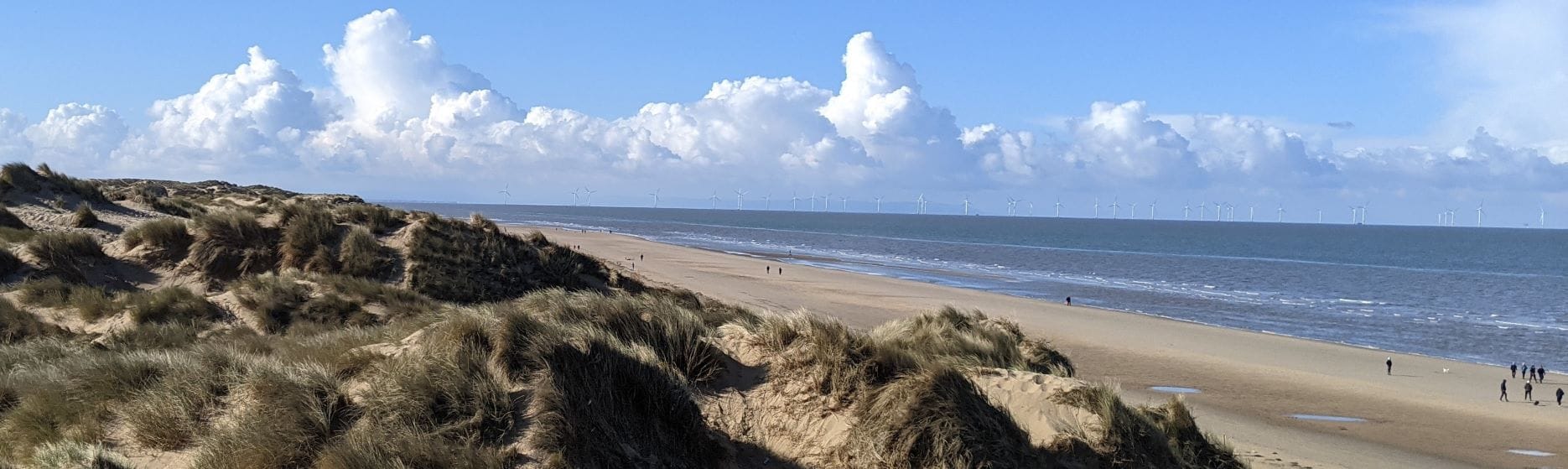
Volunteering Success Stories from Sefton Coast
Discover how to join local volunteer groups and contribute effectively to conserving the Sefton Coast’s unique environment.
Buckthorn Bashers
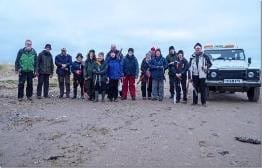
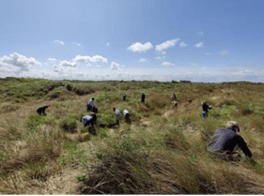
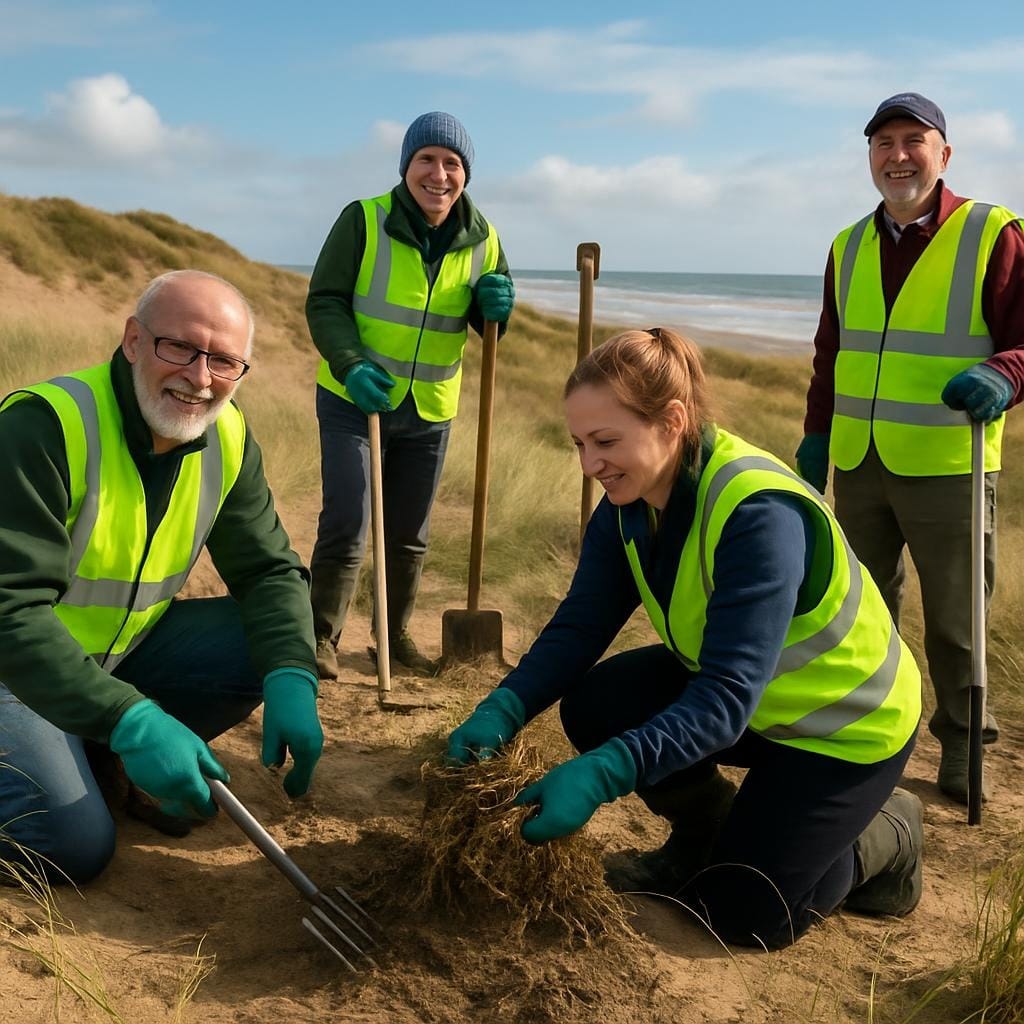
Each autumn/winter since 2012, a volunteer group known as the ‘Buckthorn Bashers’ has worked to control invasive and highly damaging Sea Buckthorn in the sand-dunes at Birkdale Dunes. 155 events totalling 3,560 volunteer hours have been worked since 2014, in weekly 2-hour ‘bashes’ from October to March, removing this highly invasive problem species from the dune land.
Green Sefton
In 2023, Green Sefton registered 2,800 hours of volunteer work across multiple groups and individuals, working alongside the ranger team. Regular activity includes beach cleans, litter picks, scrub removal, survey work of rare species and monitoring of winter livestock.
This includes the excellent work of Hightown Beach Clean Group carrying out scrub control, numerous litter picks and rejuvenation of dune slacks.
North Merseyside Amphibian and Reptile Group
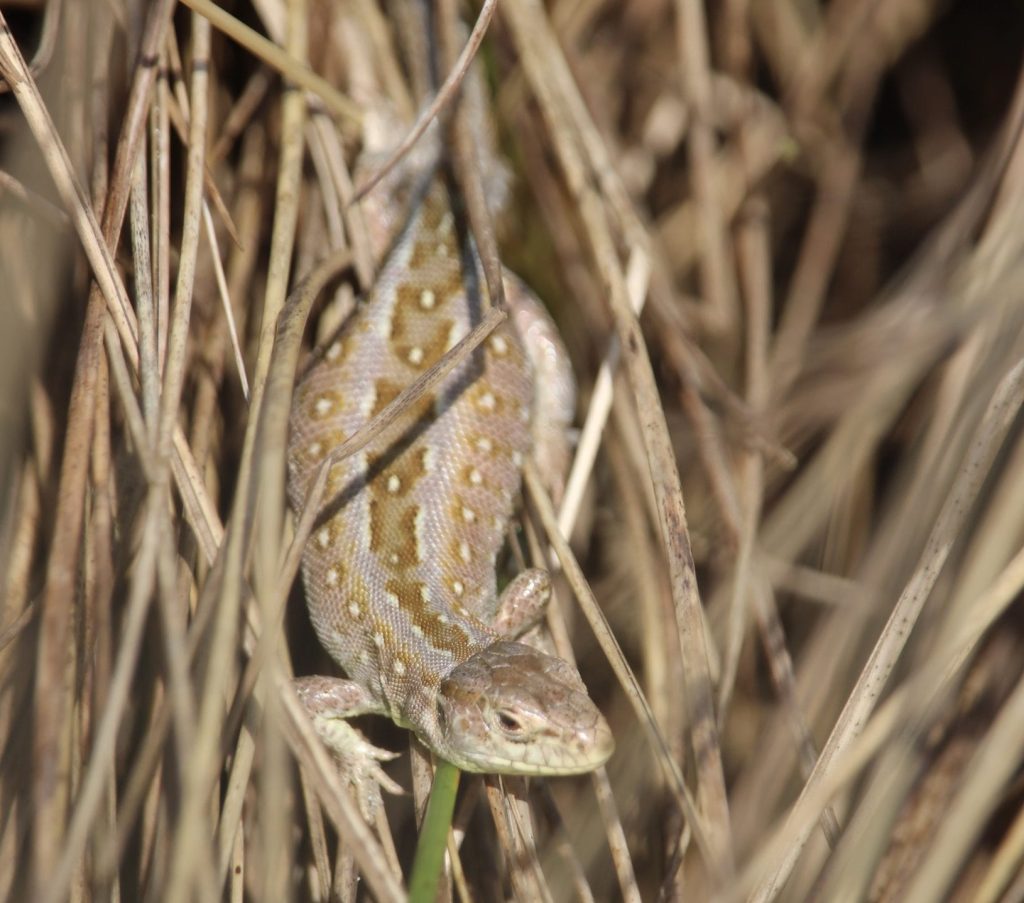
NMARG is a group of around 70 members dedicated to conserving and monitoring local reptiles and amphibians, with a focus on two rare species: the Merseyside Race Sand Lizard and the Natterjack Toad.
In winter, we carry out vital habitat management, clearing invasive scrub like Sea Buckthorn to protect these species’ habitats. In spring, we help create and maintain bare sand patches essential for Sand Lizard egg-laying.
Through spring and summer, we monitor local populations and provide training in reptile and amphibian surveying, supported by their licensed members
Supporting volunteering
Volunteering plays a vital role along the Sefton Coast. Activity ranges from large environmental organisations with formal volunteer programmes, to smaller, informal local groups. Together, they help residents stay active in their communities, improve natural spaces, and deliver benefits for people, wildlife and the wider area.
This Strategy celebrates all volunteers and sets out how we will support them in future through three key priorities.
1. Better coordination and promotion of volunteering opportunities
Volunteers told us there is a need for clearer information and a single point of entry for people who want to get involved. Many asked for better publicity of existing opportunities.
In response, the Sefton Coast Landscape Partnership (SCLP), working with partners including Sefton CVS, is developing an integrated online Sefton Coast Map. This will provide an accessible directory of volunteering opportunities, showing where work is taking place and how new volunteers can get involved.
The directory will be freely available and kept up to date with support from partners. We will also monitor how effectively it connects volunteers with groups.
2. Supporting collaboration across the volunteer network
Volunteers want to feel part of something bigger and to understand the difference their efforts are making. There is an opportunity to better connect groups, share learning and bring together data on progress across the Coast.
The SCLP will support this by:
- Holding regular events to bring volunteer groups together, celebrate successes and share experience;
- Improving coordination of monitoring and reporting, drawing on best available data including Merseyside BioBank;
- Publishing a Monitoring and Implementation Plan within 12 months of the Strategy.
A successful seminar held at Lakehouse, Crosby in September 2024 brought together partners, volunteers and residents. Subject to funding, similar events will be held at least every two years.
3. Encouraging responsible visits and greater awareness of wildlife
Engagement shows that residents and visitors are passionate about the Sefton Coast and value it for wellbeing and enjoyment. A key priority is encouraging people to visit responsibly and minimise their impact on sensitive habitats.
At the same time, we want to help people notice, understand and value the wildlife that makes the coast special. Clear, consistent messaging across partner organisations will be essential.
Responsible access messaging will continue to be coordinated through existing SCLP partnership groups, particularly during busy periods. Following publication of the Strategy, a wider marketing approach will be developed.
A thriving Sefton Coast depends on the support of local communities. We thank everyone who took part in talks, workshops and the survey and helped shape this Strategy.
Join the Sefton Coast Volunteer Community Now
Discover how you can actively support the preservation of the Sefton Coast by joining volunteer groups, participating in local conservation efforts, and making a meaningful environmental impact.