
Coastal Change – History & Ecology
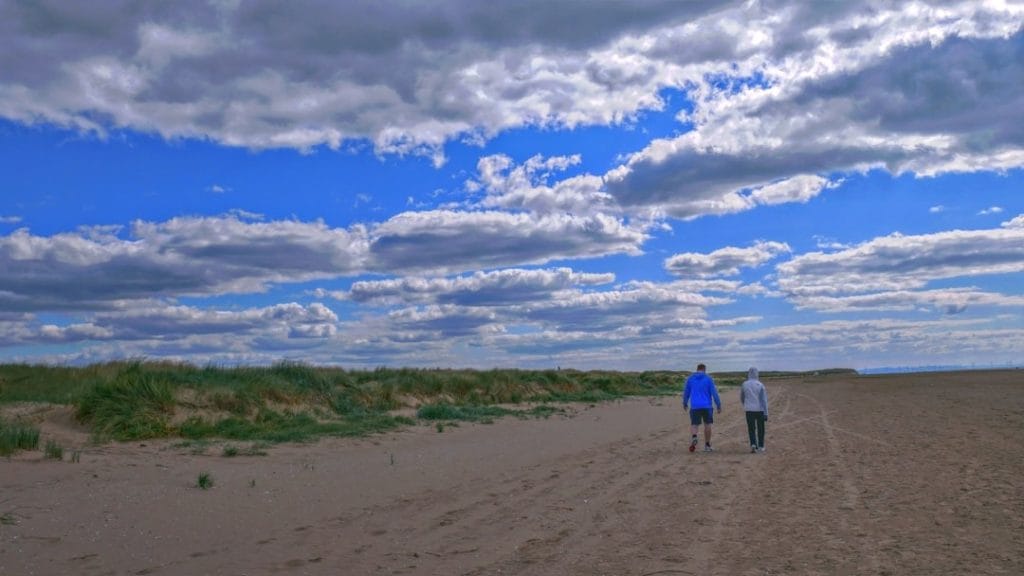
The Sefton Coast has never stood still. For centuries, shifting sands, changing habitats, and human activity have shaped this unique landscape. From rabbit warrens and marram grass planting in the 1600s to pine plantations in the 1800s, every era has left its mark. Today, climate change, invasive species, and urban pressures mean the coast looks very different from just a few hundred years ago—and it needs our help.
This isn’t a place where nature can simply “take its course.” Without careful management, rare dune habitats would vanish, invasive scrub would spread, and even our iconic red squirrels would lose their home. Protecting this special coastline means balancing wildlife conservation with the needs of local communities—adapting as the coast continues to change.
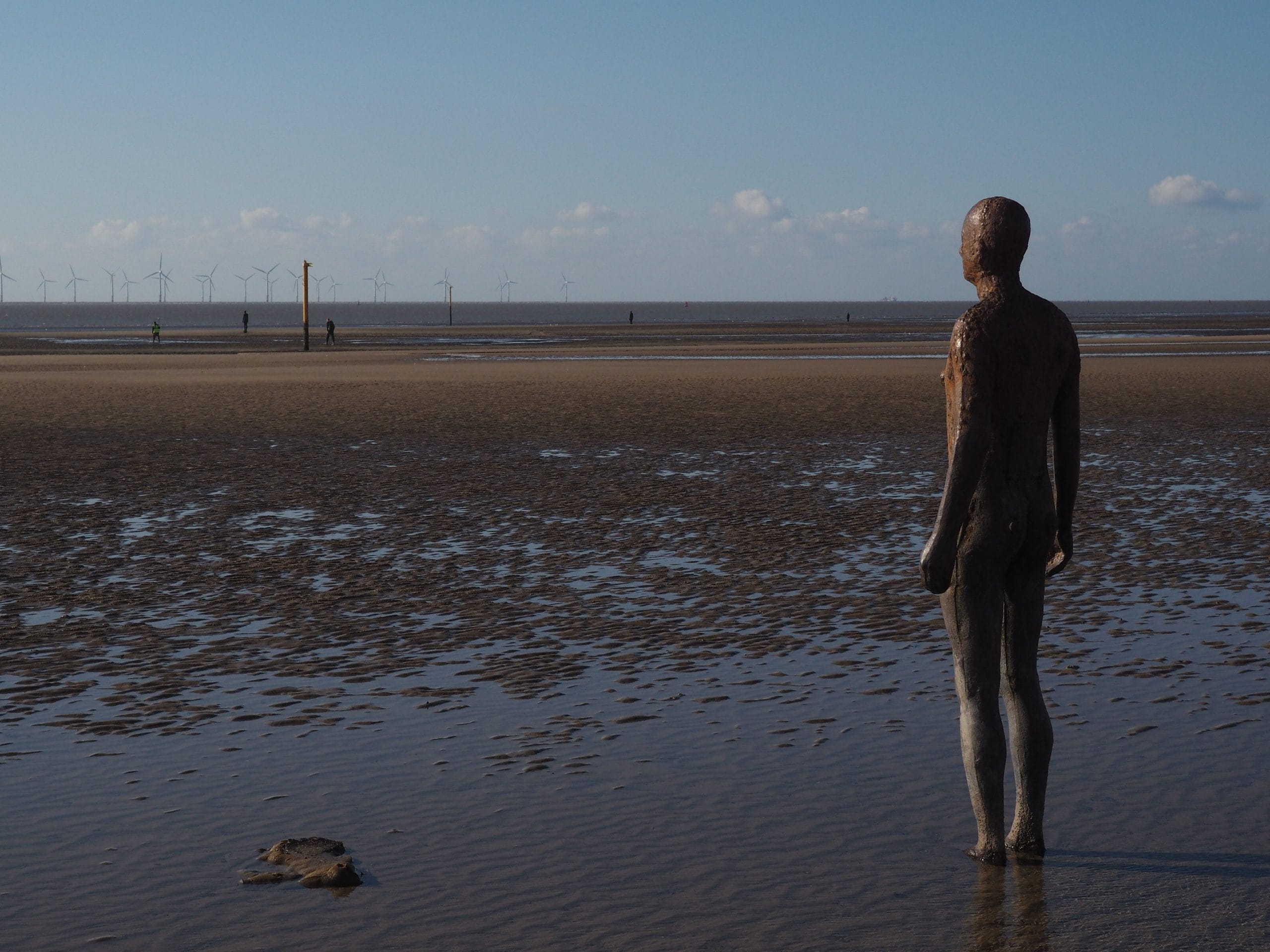
Crosby Coastal Park
The build-up of sand at Crosby is unusual for the Sefton Coast and largely caused by historic engineering in the Mersey Estuary.
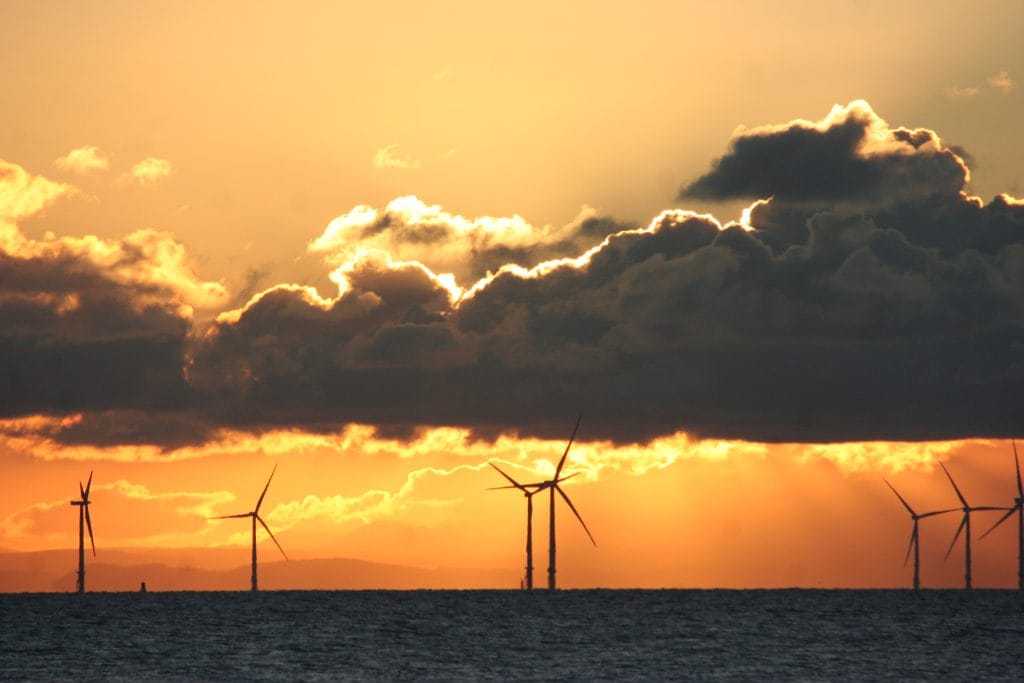
Hightown & the Alt Estuary
This stretch of the Sefton Coast is one of the most constrained and challenging areas to manage
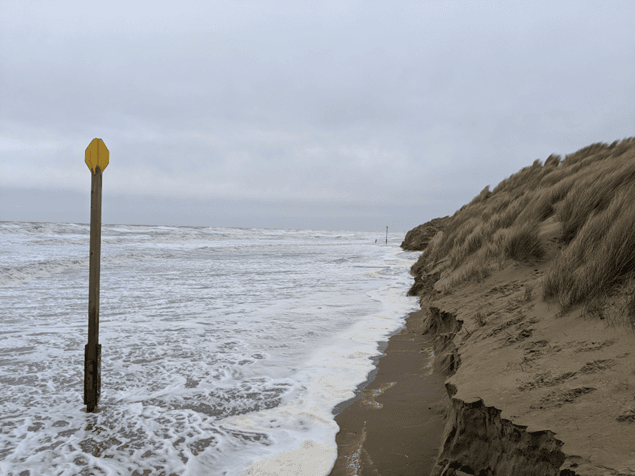
Formby
Formby is one of the most dynamic stretches of the Sefton Coast.
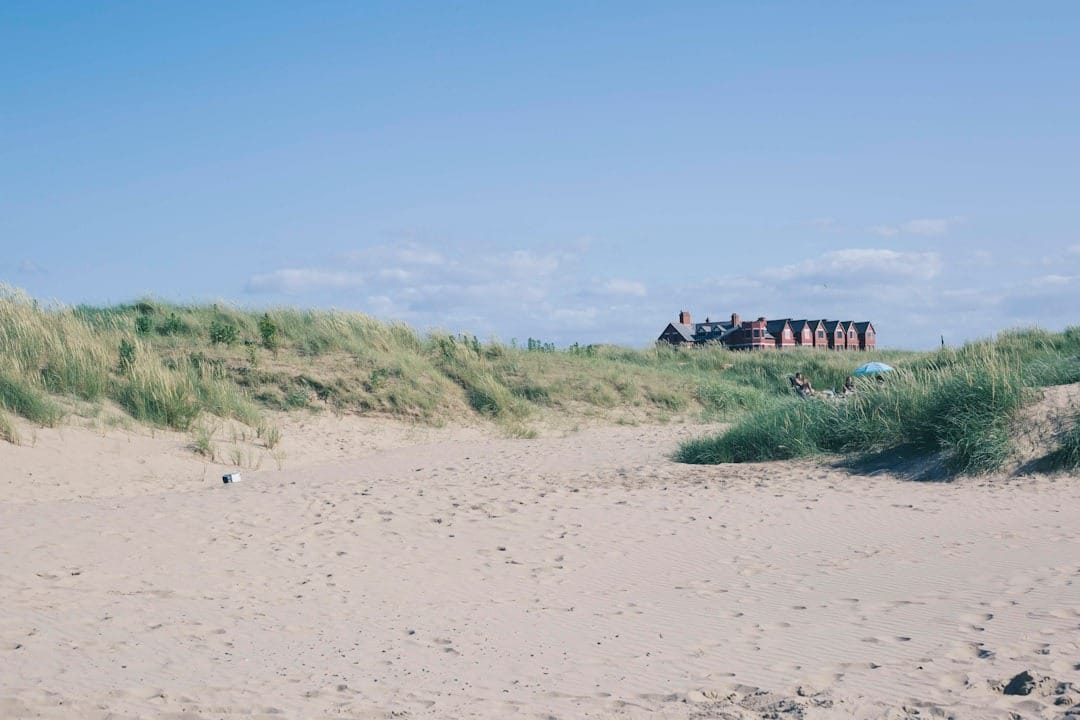
Ainsdale
Ainsdale marks the point where the coast shifts from erosion‑dominated to accretion‑dominated conditions
Birkdale & Southport
Southport’s shoreline continues to grow as fine sediment from the Ribble encourages saltmarsh formation.