
Case Study : Dynamic Dunescapes
Restoring Dynamic Dune Systems
Dynamic Dunescapes was a large‑scale conservation programme focused on restoring sand dune systems across England and Wales. Delivered across 34 sites within nine dune landscapes, the programme brought together organisations including Natural England, the National Trust, the Wildlife Trusts, Plantlife and Natural Resources Wales, supported by funding from the National Lottery Heritage Fund and the EU LIFE programme.
Working With Natural Processes
The programme addressed the long‑standing stabilisation of sand dunes, where planting and scrub growth reduced bare sand and early successional habitats. While often well‑intentioned, this approach led to declines in species dependent on mobile and changing dune conditions. Dynamic Dunescapes sought to reverse this trend by working with natural processes rather than holding dunes in place.

A Changing Approach on the Sefton Coast
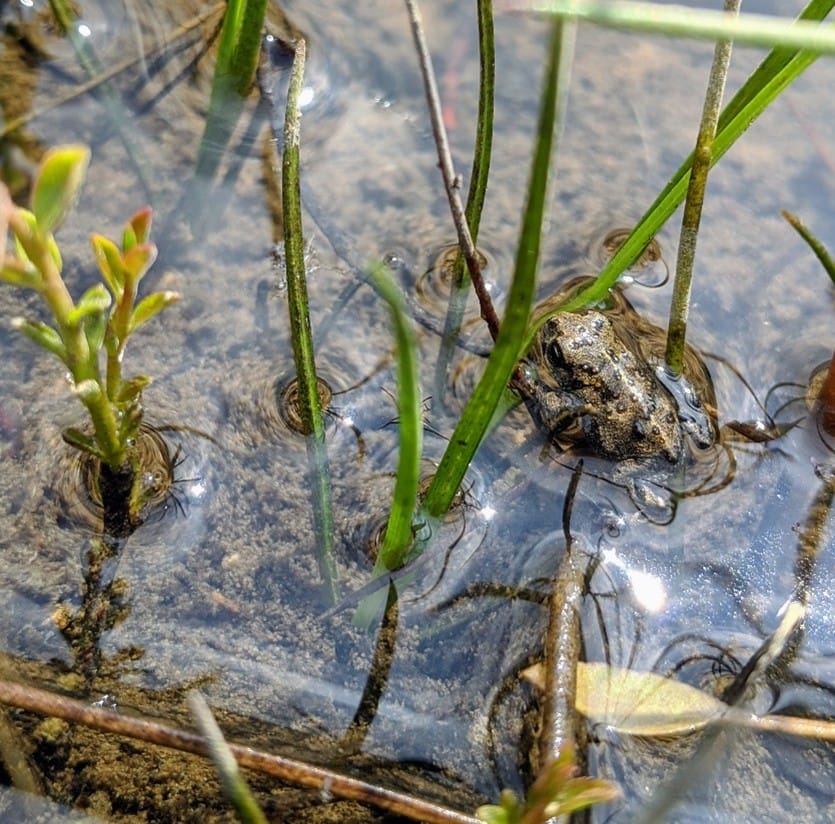
This shift was particularly important on the Sefton Coast, which supports England’s largest dune system and internationally important species such as natterjack toad and sand lizard. Much of the system had become increasingly fixed, with dense vegetation limiting natural movement. The project focused on reactivating dune processes by removing scrub and invasive species, restoring wet dune slacks and creating areas of bare sand.
Reconnecting Beach and Dunes
The most visible intervention was dune notching at Formby and Ainsdale. These notches, designed to mimic natural blowouts, reconnect the beach with dunes inland, allowing wind‑blown sand to move and create early successional habitats. Two notches were created at Formby and four at Ainsdale. Early monitoring shows sand transport and new dune features forming, helping re‑establish natural patterns of movement.
Strengthening Wet Dune Habitats
Alongside this, wet dune slacks were created and restored across Formby, Ainsdale and Birkdale. Using hydrological data to guide their design, this work has improved habitat condition and strengthened connectivity for wet dune species across the coast.
A Lasting Legacy
Dynamic Dunescapes has helped shift how dunes are managed on the Sefton Coast, demonstrating the benefits of allowing dunes to move and change. By restoring natural processes at scale, the project has improved habitat condition, increased resilience to climate change and provided a strong evidence base for future management. These principles are now being taken forward through the Sefton Coast Nature Conservation Strategy.