
Saltmarsh
A Dynamic Coastal Habitat
The Sefton Coast lies along the southern edge of the Ribble Estuary, which supports one of the largest expanses of saltmarsh in Britain. This important coastal habitat is continually developing, shaped by natural processes and the movement of tides and sediments.
Saltmarsh is a key part of the wider coastal landscape, forming a transition between land and sea and contributing to the rich mosaic of habitats found along the Sefton Coast
How Saltmarsh Forms
Saltmarsh develops through the gradual accumulation of fine sediments carried in by tidal waters. As these sediments settle, they raise the level of the shore, creating conditions where salt‑tolerant plants can begin to establish.
Over time, these pioneer plants trap more sediment, helping the marsh to expand seaward. This ongoing process, known as accretion, allows saltmarsh to grow and evolve naturally, often forming new habitat relatively quickly compared to other coastal environments.
On the Sefton Coast, this process is particularly active, with new areas of saltmarsh continuing to form as sediment builds up within the Ribble Estuary.
A Changing Landscape
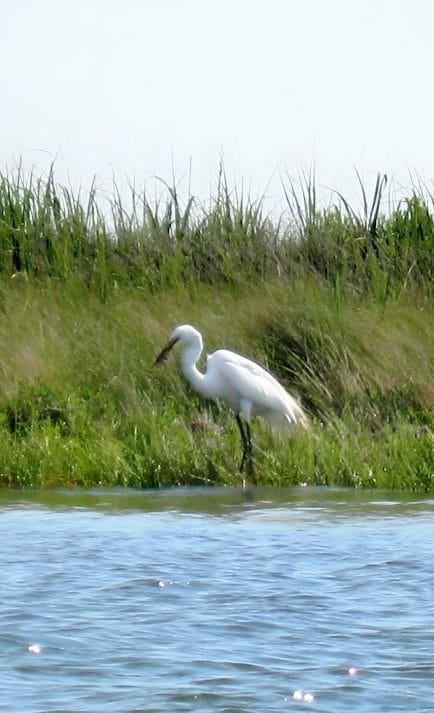
Extensive areas of developing saltmarsh are now present at Marshside, Southport and Birkdale. Smaller areas also occur within the Alt Estuary near Hightown.
Unlike the more extensive saltmarshes on the eastern side of the Ribble Estuary, grazing along the Sefton Coast is relatively limited, although cattle are present in places such as Marshside. Where grazing is absent or light, vegetation can develop more freely, often resulting in a taller and more diverse plant community.
As a result, the saltmarshes here can appear lush and varied, with seasonal changes in colour and structure as different plants come into flower.
Supporting Specialised Wildlife
Saltmarsh provides a challenging environment, with regular flooding by seawater and high salinity levels. Despite this, it supports a wide range of specialised plants and animals adapted to these conditions.
On the Sefton Coast, saltmarsh habitats support:
- Salt‑tolerant plants such as glassworts, sea aster and sea lavenders
- Invertebrates adapted to saline and waterlogged environments
- Feeding and roosting areas for wading birds and wildfowl
The abundance of flowering plants, particularly sea lavender, makes these marshes especially important for pollinators and other insects during the summer months.
A Habitat on the Move
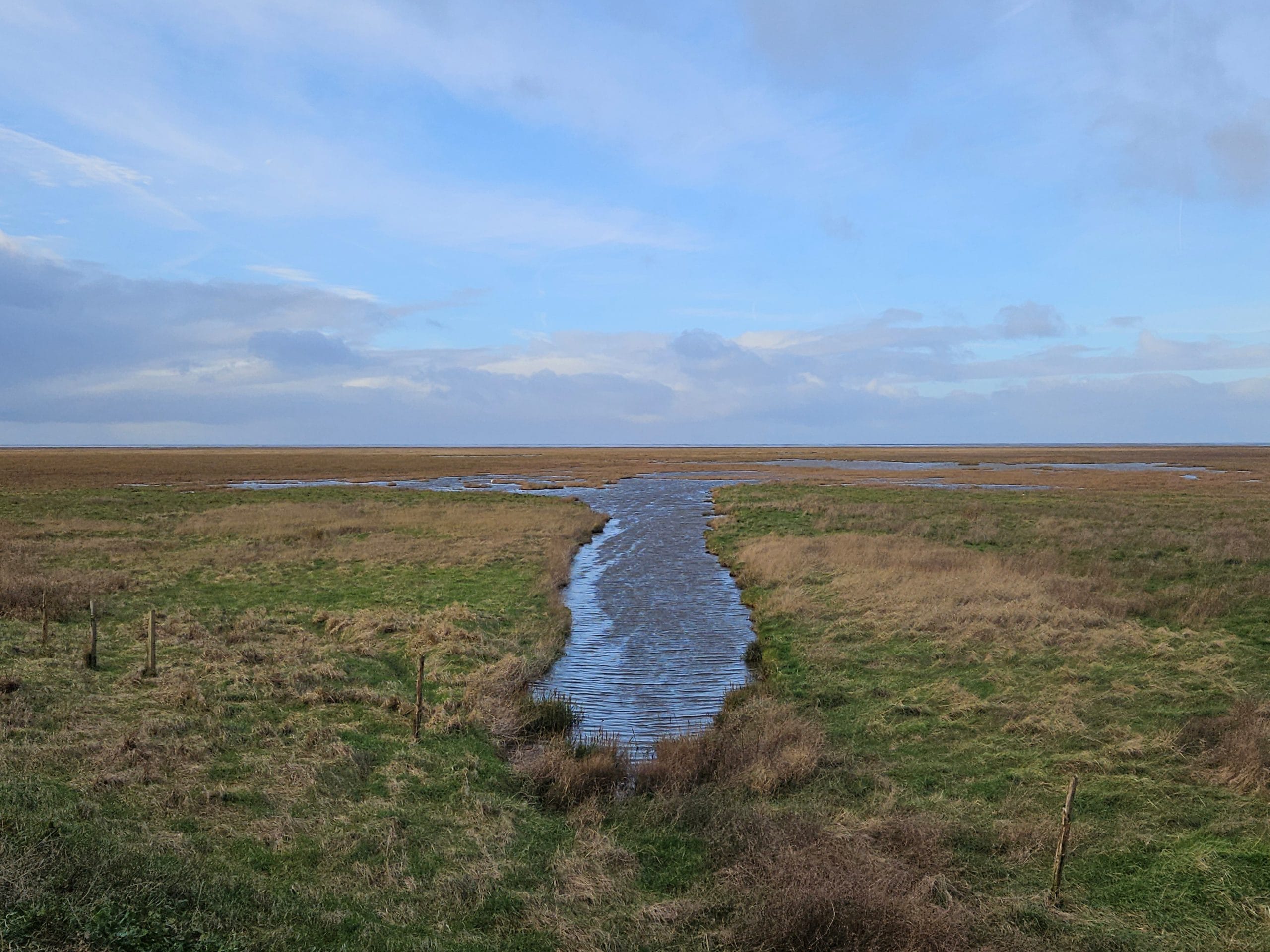
Saltmarsh is a naturally dynamic habitat, constantly changing in response to tides, sediment supply and sea level. Along the Sefton Coast, the overall extent of saltmarsh is currently increasing as sediment continues to accumulate.
However, this balance can shift over time. Changes in sea level, storm activity or sediment availability can all influence how saltmarsh develops, making it both resilient and sensitive to environmental change.
Saltmarsh and Coastal Protection
In addition to its biodiversity value, saltmarsh plays a crucial role in natural coastal defence.
Dense vegetation helps to slow down waves and reduce their energy, while the marsh surface traps sediment and builds up land levels. This helps to reduce erosion and provides a natural buffer against flooding.
As climate change increases the risk of storm events and rising sea levels, healthy saltmarsh will become an increasingly important part of the coast’s resilience.
Management and Conservation
Saltmarsh along the Sefton Coast is largely shaped by natural processes, but careful management is still important to ensure it continues to develop in a healthy and sustainable way.
Key considerations include:
- Maintaining natural sediment processes
- Monitoring changes in extent and condition
- Managing access to avoid disturbance to wildlife
- Integrating saltmarsh into wider coastal management strategies
Protecting these processes allows saltmarsh to continue to adapt and provide benefits for both wildlife and people.
Why It Matters
Saltmarsh is an essential part of the Sefton Coast’s natural system. Its ability to support specialised wildlife, store carbon, and protect the coastline makes it one of the most valuable habitats in the landscape
As it continues to grow and evolve, safeguarding saltmarsh will be key to long‑term nature recovery and climate resilience along the Sefton Coast.