
LNRS Measures
Table 1 : Sefton Coast Management Actions
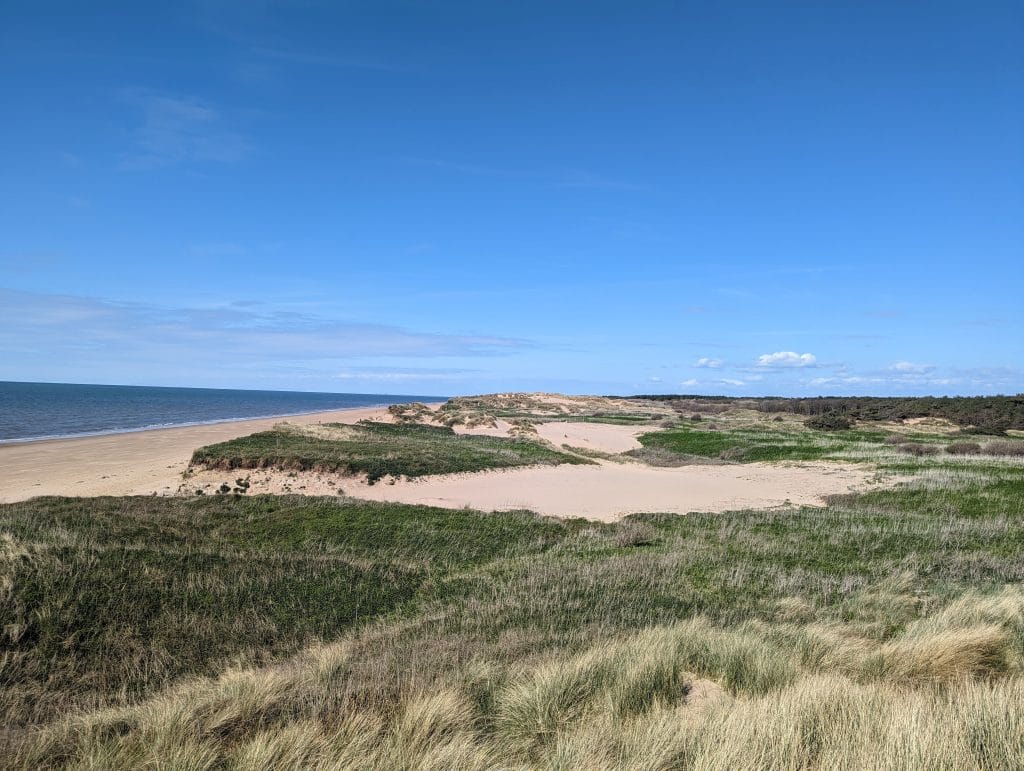
The actions set out below support the protection, restoration and enhancement of priority habitats and species across the coastal and estuarine environment. They focus on restoring natural processes, improving water quality, increasing habitat extent and diversity, and managing land in a way that supports breeding, feeding and roosting wildlife. Collectively, these actions aim to strengthen ecological connectivity, reduce pressures from pollution, disturbance and climate change, and ensure that coastal and intertidal habitats are sensitively and sustainably managed for the long term.
| LNRS Ref | Action |
|---|---|
| 1a | Creation of reedbeds, wet woodland, coastal and floodplain grazing marsh, and other wetlands to promote natural processes |
| 1b | Creation of settlement ponds, reedbeds and tree or shrub barriers in areas with high pollutants and run-off to improve water quality |
| 1c | Restoration of natural floodplains, reedbeds, wet woodland, coastal and floodplain grazing marsh, other wetland habitats and river morphology to promote natural processes |
| 5a | Further creation of notches along suitable dune habitats |
| 5b | Safeguarding and conservation of important breeding and roosting bird populations |
| 5c | Maintenance and improvement of the mosaic of coastal habitats along the coastline |
| 5d | Co-ordinated grazing across the coast to ensure habitats are correctly managed and stocked with the appropriate levels of livestock |
| 6a | Creation and improvement of suitable alternative natural greenspaces to the coast |
| 6b | Implementation of disturbance mitigation measures including any set out in future local mitigation strategies |
| 8a | Expansion and creation of saltmarsh and other intertidal habitats |
| 8b | Management of salt marsh and other intertidal habitats |
| 8c | Creation of artificial habitats on hard engineering and infrastructure to create more habitat for estuarine and coastal species |
| 8d | Removal of abandoned boats along coastal areas of the region |
| 8e | Sensitive long-term management of functionally linked land – maintaining open grassland and farmland with areas of standing water, with minimal disturbance in the winter |
| 8f | Allow natural regeneration of salt marsh and other important intertidal habitats where they start to develop and mitigate external pressures where they occur |
| 8g | Seagrass habitat restoration and reintroduction where appropriate |