
Species – Birds
The Sefton Coast supports nationally important bird populations across sand dunes, shoreline and saltmarsh habitats. These areas provide essential breeding, feeding and resting sites for a wide range of species.
Sand Dunes – Birds
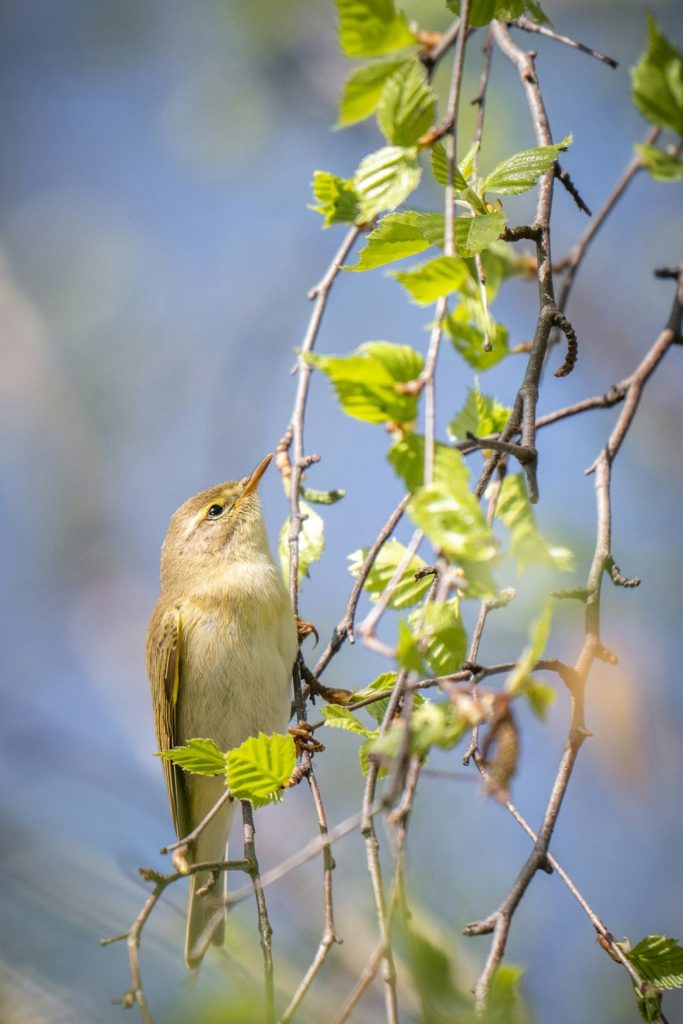
Visitor pressure and disturbance by dogs can also disrupt breeding behaviour and success. Key summer migrants including Willow Warbler (Phylloscopus trochilus), Grasshopper Warbler (Locustella naevia) and Whitethroat (Sylvia communis) also breed in the dunes, with varied vegetation structure offering important nesting opportunities.
Conservation efforts from past projects such as Gems in the Dunes and Dynamic Dunescapes involved targeted scrub clearance and public engagement to reduce disturbance, helping maintain suitable breeding habitats and support bird populations.
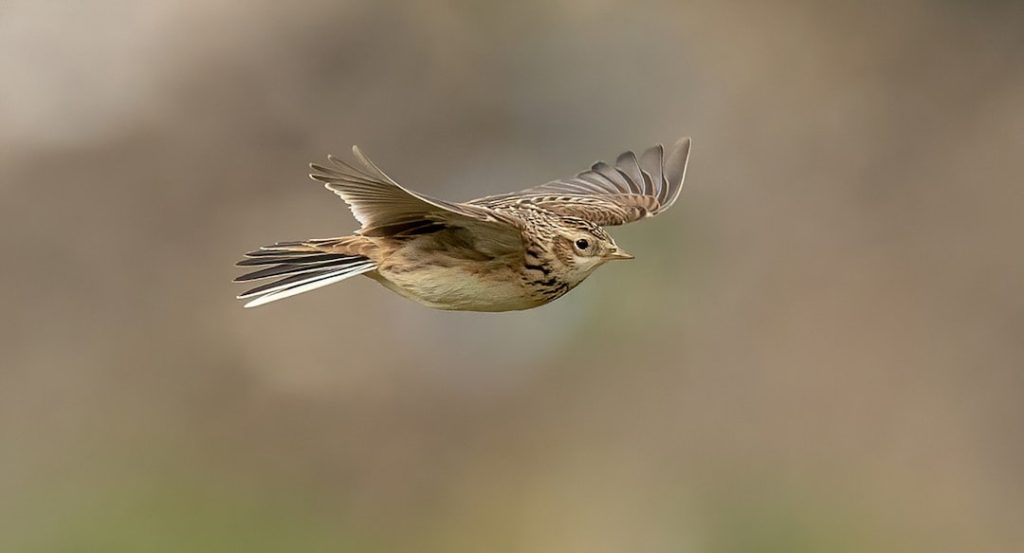
The sand dunes of the Sefton Coast provide important breeding and feeding habitats for several priority bird species. Notably, Skylark (Alauda arvensis), Meadow Pipit (Anthus pratensis), and Stonechat (Saxicola rubicola) are common breeding birds that depend on open dune grassland mosaics. These ground-nesting species are vulnerable to disturbance by people, dogs and predation from domestic cats.
Green Sefton’s ongoing Higher Level Countryside Stewardship work on the dunes at Ainsdale and Birkdale continues this legacy through conservation grazing, scrub removal, volunteer involvement and sand patching.
Shore – Birds
The Sefton Coast’s shoreline is vital for a variety of wading and gull species, particularly during migration and winter. Species such as the Oystercatcher (Haematopus ostralegus), Redshank (Tringa totanus), Ringed Plover (Charadrius hiaticula) and Sanderling (Calidris alba) regularly forage and rest along the shore.
These birds rely on intertidal zones with exposed mudflats and sandy beaches for feeding on invertebrates. Sadly, Oystercatcher, Redshank and Ringed Plover have been largely lost as breeding birds on the coast between Crosby and Southport due to visitor pressure and disturbance. Conservation efforts have focused on minimising disturbance through seasonal access restrictions and public awareness.

The “Give Birds A Break” campaign is a current initiative led by Green Sefton with support from the RSPB, National Trust and Natural England, and encourages visitors not to disturb roosting or feeding wading birds, gulls and terns anywhere along the coastline.
Saltmarsh – Birds
The saltmarshes of the Sefton Coast, particularly at sites like RSPB Marshside, provide essential habitat for a range of breeding and migratory bird species. These dynamic wetlands, with their tussocky grasses and muddy pools, offer ideal conditions for nesting, feeding and shelter.
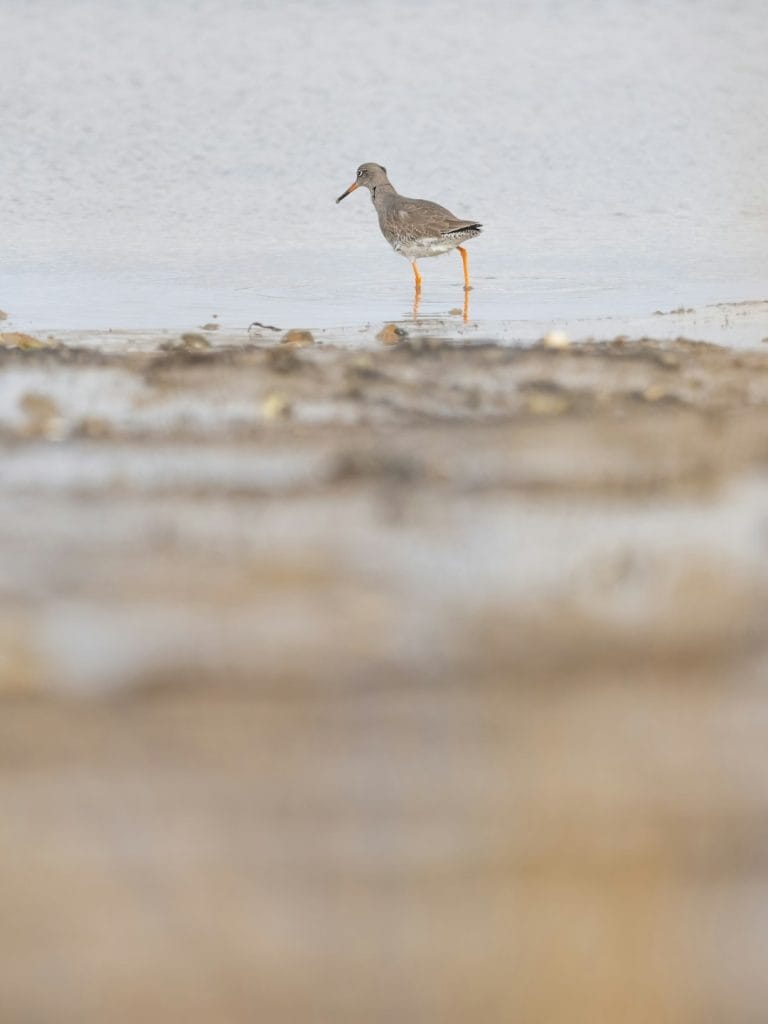
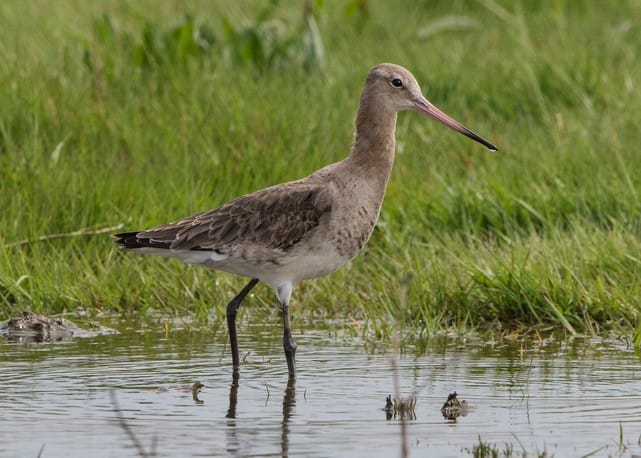
Redshank are a key breeding species here, nesting low in the vegetation and feeding in the surrounding marsh. Shelduck breed in nearby burrows and banks, using the marsh to forage with their young. Black-tailed Godwits, an internationally important species and a UK Biodiversity Action Plan priority also use the saltmarsh during the breeding season, nesting among taller grasses.
As well as supporting breeding, the saltmarshes are vital staging posts for migrating birds, offering food-rich feeding grounds and safe resting places for species like Curlew. However, these habitats are increasingly threatened by coastal change and recreational disturbance.
Conservation work at Marshside and across the Sefton Coast focuses on managing vegetation, maintaining water levels and engaging with visitors to protect these nationally important bird populations.
Related Strategy and Resources