
Species – Reptiles & Amphibians
The Natterjack Toad (Epidalea calamita), Sand Lizard (Lacerta agilis), and Great Crested Newt (Triturus cristatus) are all protected under UK law as European Protected Species and listed as Section 41 priority species.
Natterjack Toad (Epidalea calamita)
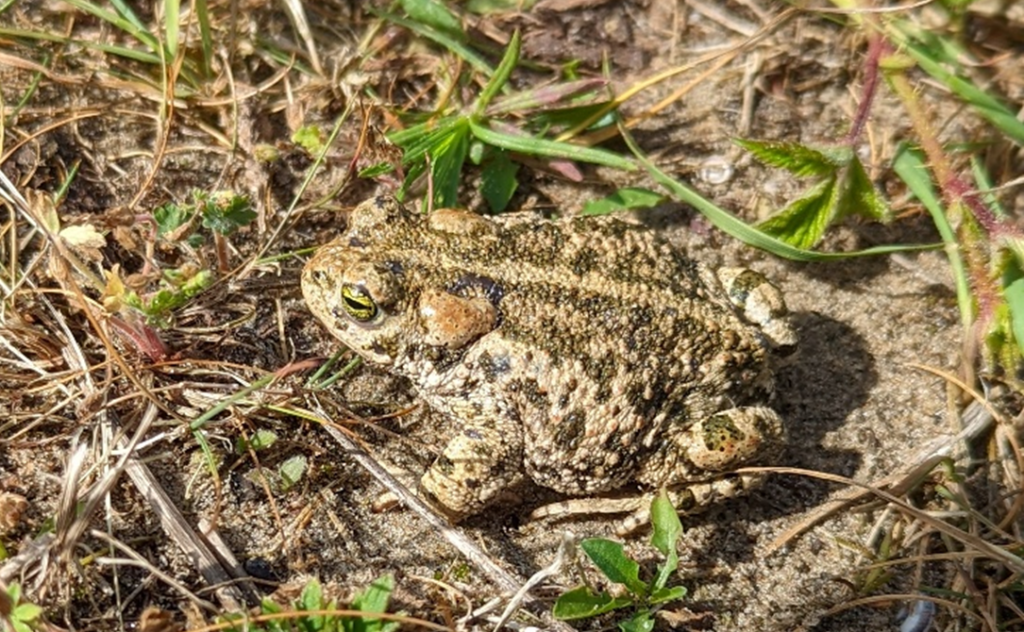
They rely on shallow dune slacks for breeding, and need nearby bare sand and low vegetation for movement and feeding. However, their breeding success is closely tied to dune hydrology, which is being disrupted by climate change.
More frequent unseasonal weather, including dry springs, heavy autumn rain, and increasingly unpredictable rainfall patterns—is causing pools to either dry out too soon or fill at the wrong time of year, both of which reduce tadpole survival.
Natterjacks prefer shallow, seasonal pools in dune slacks for breeding. They are easily recognised by their distinctive yellow stripe and their loud, rasping mating call, often heard on spring evenings earning them the nickname “Birkdale Nightingale”.
Natterjacks also face threats from vegetation overgrowth, visitor pressures, and habitat fragmentation.
Conservation efforts, such as those led by the Gems in the Dunes and Dynamic Dunescapes projects, have focused on restoring and creating a network of dune slacks at varying depths, designed to provide suitable breeding conditions even during unfavourable weather patterns.
These actions alongside scrub clearance and the creation of bare sand patches are helping improve resilience for this vulnerable amphibian.
Sand Lizard (Lacerta agilis)
Sand Lizards depend on depend on mobile dune habitats featuring a mosaic of bare sand and mature marram thatch, for basking, foraging, and egg-laying.
Eggs are laid in sunny patches of bare sand, where successful incubation requires warm, stable conditions. However, climate change is increasing weather variability, with more frequent intense rainfall events, droughts, or unseasonal temperature swings.
These changes can reduce egg survival and threaten reproductive success. In addition, dune stabilisation and scrub encroachment are limiting the availability of suitable, open sand areas.
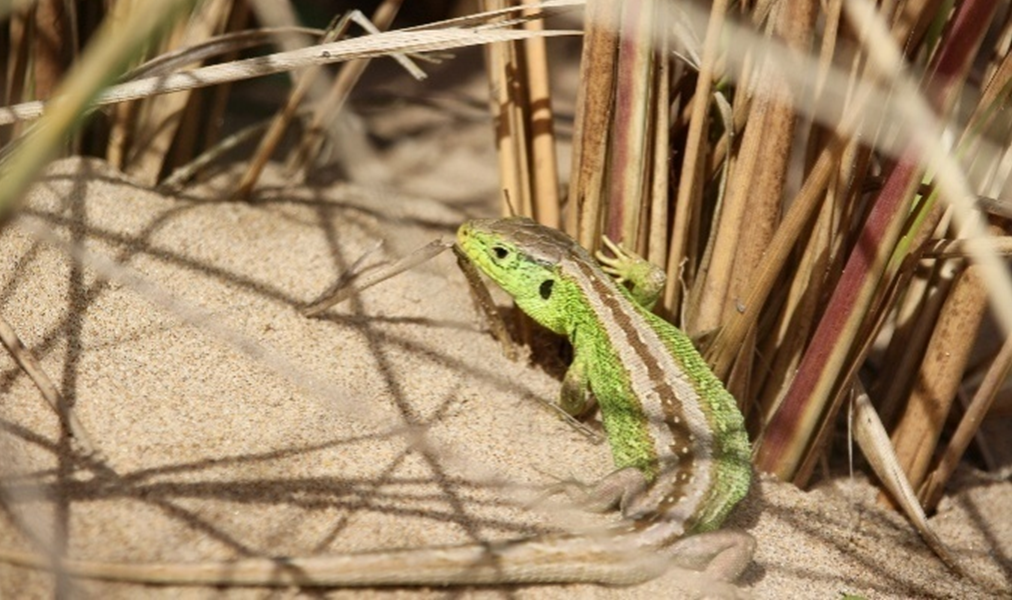
Projects such as Gems in the Dunes and Dynamic Dunescapes have restored important areas by removing dense scrub, creating and maintaining exposed sand patches.
Great Crested Newt (Triturus cristatus)
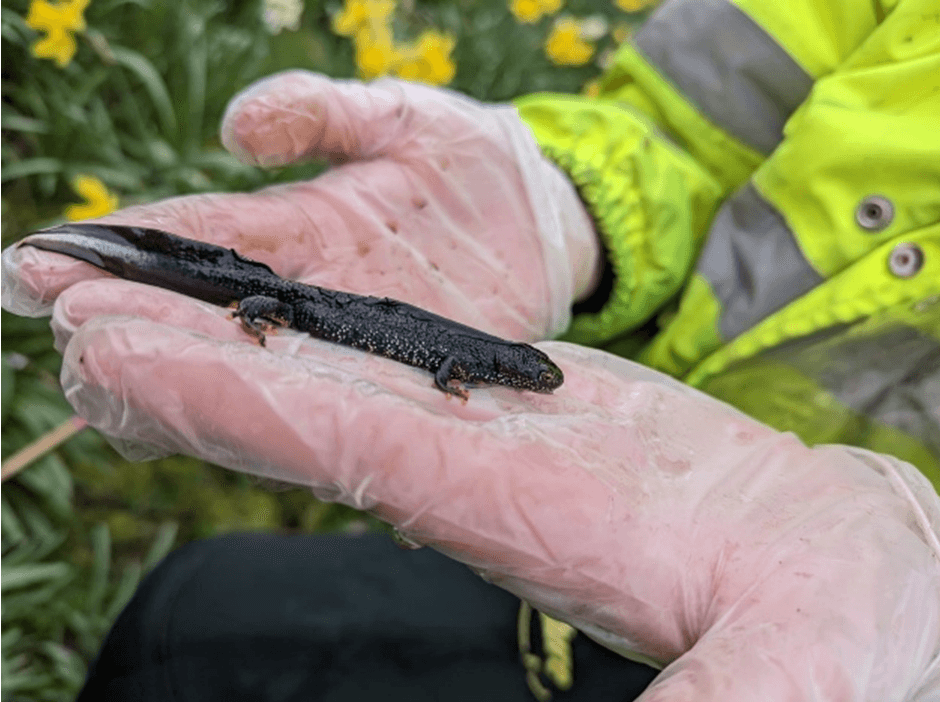
Great crested newts are found in scattered locations across the Sefton Coast, including within the dune system.
Typical dune slacks tend to have shallow water with little to no aquatic vegetation, making them sub-optimal breeding sites, as Great Crested Newts require aquatic plants for egg laying and refuge when in the water.
However, as the dunes have stabilised, vegetation has encroached into some slacks, creating more favourable breeding conditions for this species.
Related Strategy and Resources