Case Study : Formby Ladies Golf Club – Restoring Links Habitat within a Working Landscape
Integrating Golf and Habitat Restoration
Formby Ladies Golf Club demonstrates how high‑quality golf and ecological restoration can be delivered together within a protected landscape. In 2025, the club received the Ecological Project of the Year award at the Golf Environment Awards, recognising a nine‑year programme of habitat restoration and sustainable course management.
Addressing Declining Habitat Condition
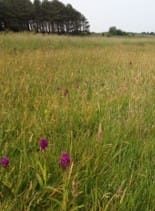
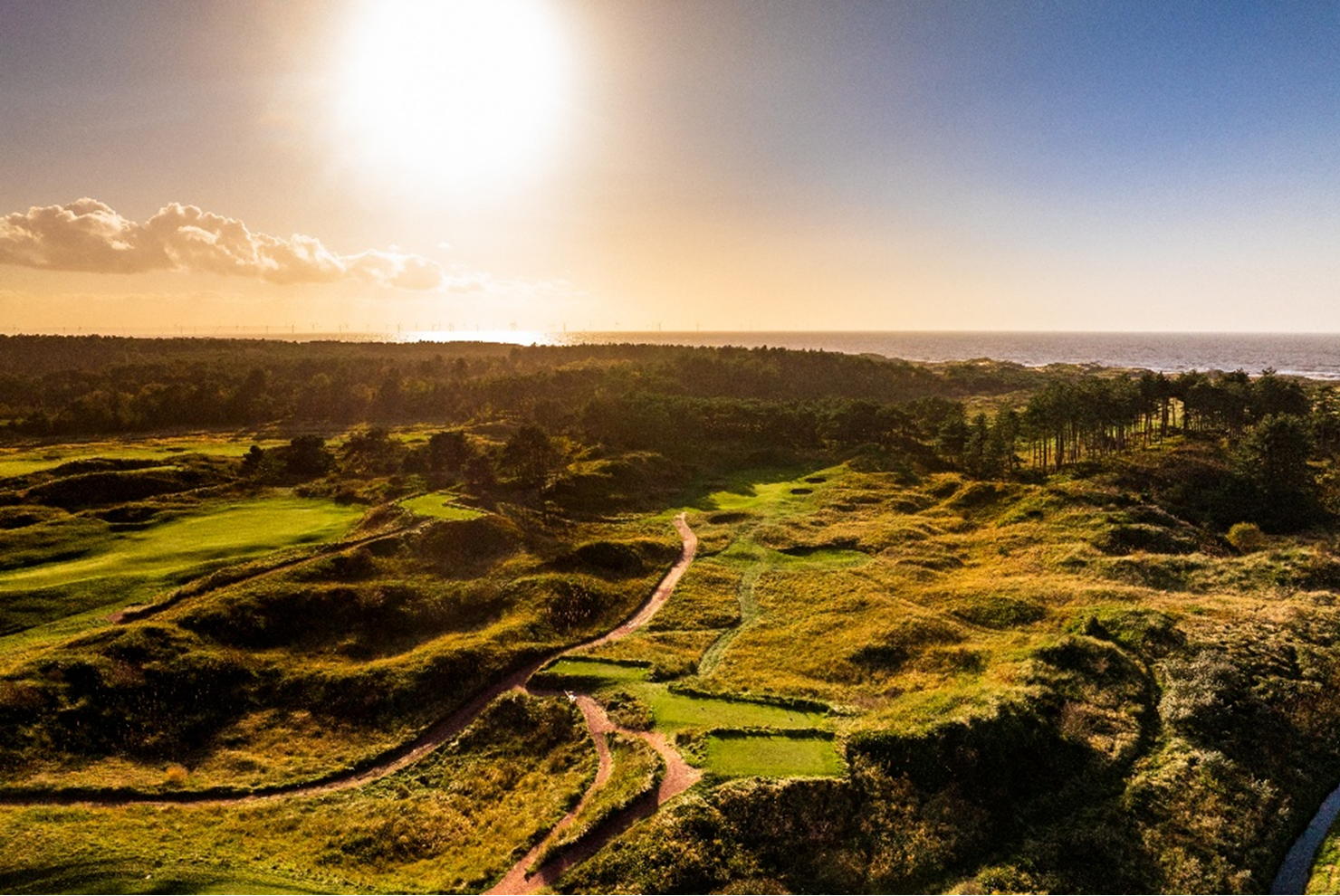
The course lies within a Site of Special Scientific Interest (SSSI), designated for its coastal dune and heathland habitats. By 2016, parts of the site were in unfavourable condition, with scrub, trees and coarse grasses reducing the extent of open habitats and altering both ecological quality and the character of the course
A Long‑Term, Evidence‑Led Approach
In response, the club implemented a long‑term, evidence‑led management plan to restore the open, dynamic landscape that supports both biodiversity and traditional links playing conditions. This integrated approach ensured conservation and course management were addressed together.
Restoring Open Dune and Heathland
Key actions included removing scrub, trees and invasive vegetation to re‑establish open habitats, improve light and airflow, and reduce organic matter build‑up. Heather management was also adapted to create a more diverse age structure, supporting a wider range of species while maintaining landscape character.
Improving Sustainable Course Management
The club also refined turf management, transitioning towards finer grass species and significantly reducing chemical inputs, including fungicides. This has improved sustainability while producing firmer, more resilient playing surfaces typical of links courses.
Monitoring and Measurable Success
Ongoing monitoring and data collection were central to the project, enabling the club to track improvements in habitat condition and playing quality. This evidence‑based approach helped build confidence among members as visible changes were introduced.
Delivering Benefits for Nature and Play
Over nine years, the site has moved from unfavourable to favourable condition, confirmed through formal assessment. Habitat quality and biodiversity have improved, while the course has regained its open dune character. At the same time, playing conditions have benefited from firmer surfaces and reduced reliance on intensive inputs.
A Model for Managed Landscapes
Formby Ladies Golf Club provides a strong example of how land within designated sites can deliver both conservation and recreational outcomes. It highlights the value of long‑term commitment, clear communication and evidence‑led management, setting a benchmark for other golf courses within protected landscapes.