
Sefton Coast Public Space Space Protection Order (PSPO)
Introduction
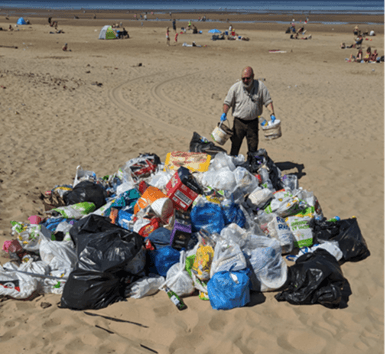
The Sefton Coast is a highly valued and sensitive coastal landscape, supporting internationally designated habitats, protected species, and a wide range of recreational activities. In recent years, increasing visitor numbers and changing patterns of use have placed growing pressure on these environments, resulting in wildlife disturbance, damage to dune systems, pollution, increased fire risk, and conflict between different users.
Why the PSPO was Introduced
To address these challenges, Sefton Metropolitan Borough Council introduced the Coastal and Visitor Areas Public Space Protection Order (PSPO). The Order was reviewed and renewed in 2025 to respond to emerging environmental pressures, changes in visitor behaviour, and lessons learned from earlier enforcement. The current PSPO will run until mid‑2028.
Under the Anti‑Social Behaviour, Crime and Policing Act 2014, PSPOs allow councils to apply targeted and proportionate restrictions in public spaces where certain activities have a persistent and detrimental impact on quality of life or the environment. On the Sefton Coast, behaviours such as unauthorised fires, off‑road vehicle use, unmanaged dog access and large gatherings were causing significant environmental harm, safety risks and reduced enjoyment for residents and visitors, making action necessary.

What the PSPO Does
The PSPO applies to defined coastal and visitor areas across Crosby, Formby, Ainsdale, Birkdale, Southport and Lunt. It introduces targeted measures designed to reduce environmental damage and disturbance, particularly in ecologically sensitive locations.
Restrictions include controls on open fires and barbecues, overnight camping, motor vehicles on the foreshore and dunes, unauthorised watercraft use, drones, large unmanaged gatherings, and activities that pollute or damage habitats. Additional measures manage activities such as dog walking, horse riding, cycling and other recreation in designated zones to reduce disturbance to wildlife
Key Restrictions
Restrictions include:
- No open fires or barbecues
- No overnight camping
- No off‑road or unauthorised vehicle use
- Controls on drone and watercraft use
- Limits on large unmanaged gatherings
- Measures to prevent pollution and habitat damage
- Dog access managed seasonally and in sensitive zones
- Guidance for horse riding and cycling in designated areas

Conservation Benefits
From a conservation perspective, the PSPO plays an important role in safeguarding dune systems, saltmarsh, foreshore and wetland habitats that support internationally important bird populations, rare plant species and conservation grazing livestock. Restrictions on fires, pollution, off‑road vehicles and disturbance directly reduce risks to these habitats, while seasonal and location‑specific controls help balance access with ecological sensitivity.
The Order also supports wider objectives around biosecurity and climate resilience by reducing habitat degradation and wildfire risk.
A Balanced Approach to Coastal Management
The PSPO is not intended to prevent people from enjoying the Sefton Coast. Instead, it sets clear expectations for responsible behaviour, helping to reduce conflict between users, improve public safety and protect the coast’s special qualities for future generations. It complements wider management measures including education, signage, partnership working and site‑specific access management.
Overall, the Sefton Coast PSPO demonstrates how proportionate regulatory measures can support nature conservation when used as part of a balanced and integrated approach to coastal management.
More information on the Sefton Coastal and Visitor PSPO can be found here: