Marine Influences
A Coast Connected to the Sea
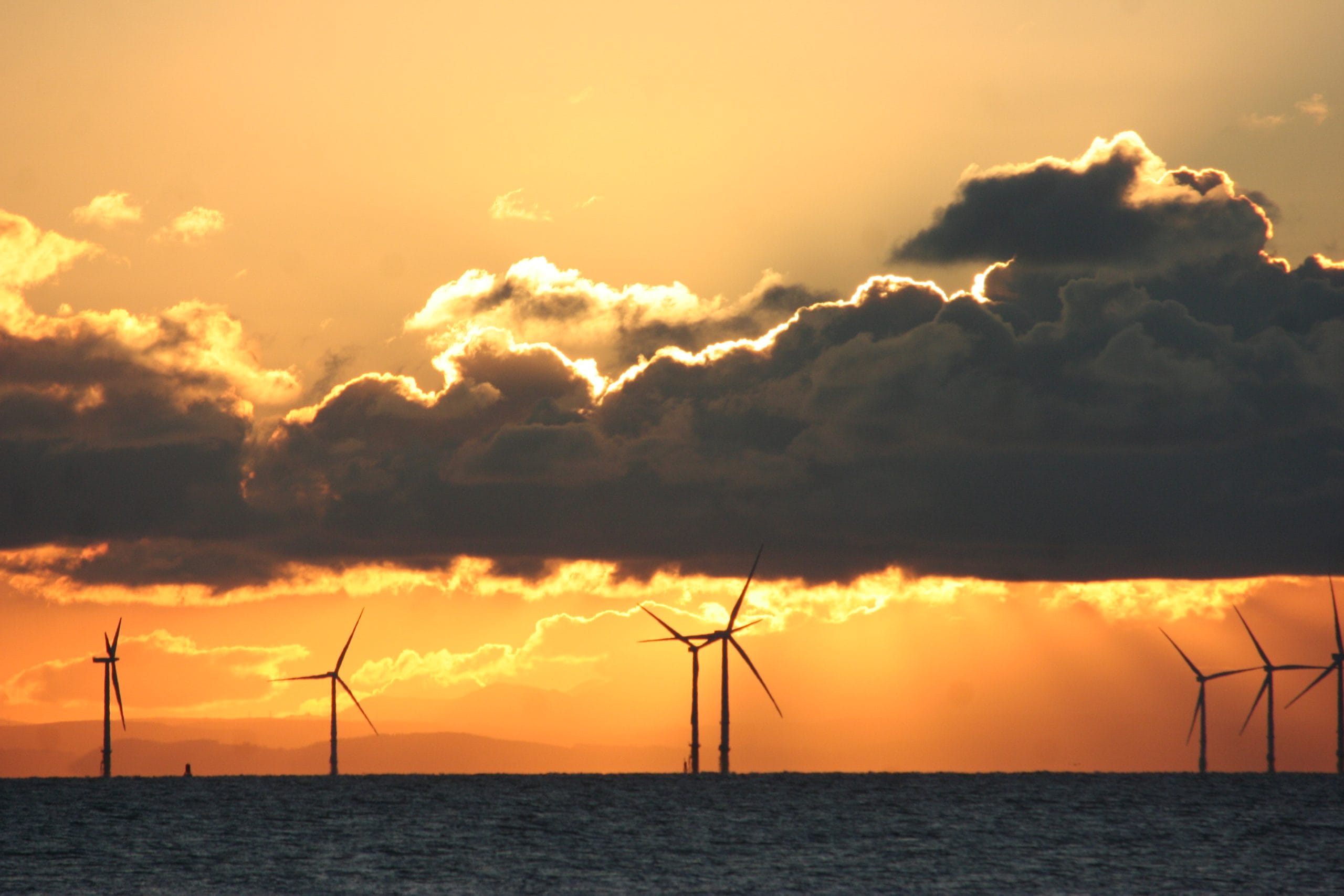
Liverpool Bay, forming the inshore area of the eastern Irish Sea, lies directly offshore from the Sefton Coast and its three estuaries: the Mersey, Alt and Ribble. The coast and bay are closely interdependent, forming part of a major ecological corridor that connects breeding and wintering grounds for migratory birds.
This coastal route functions as a vital link within wider flyways, supporting movements of birds across the UK and beyond.
A Critical Area for Seabirds
The interface between land and sea is particularly important for seabirds. Liverpool Bay is designated as a Special Protection Area (SPA), recognising its international importance for species such as red‑throated diver and common scoter.
It also supports a wider assemblage of seabirds, including great crested grebe, common tern and cormorant, all of which depend on the productivity of these coastal waters and intertidal habitats.
Marine Influences on the Coast
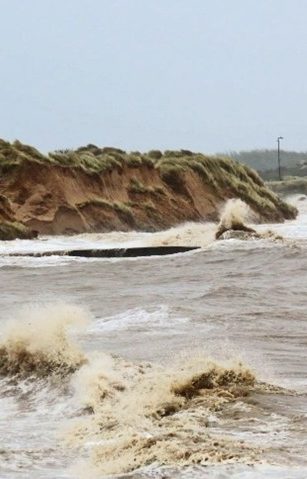
Marine processes such as tides, waves, wind and salt spray play a fundamental role in shaping the Sefton Coast. These forces influence not only the form of beaches and dunes, but also the habitats and species they support.
Salt‑laden winds and exposure to harsh coastal conditions create challenging environments, meaning only specialised plants and animals can thrive in areas closest to the sea. Over short distances, this creates a transition from highly exposed coastal habitats to more sheltered inland environments
Supporting Wildlife at the Coast–Sea Interface
The interaction between marine and terrestrial environments supports a rich diversity of wildlife. Coastal waters, intertidal zones and adjacent dunes together provide feeding, roosting and breeding opportunities for a wide range of species.
For birds in particular, the availability of rich feeding grounds at sea alongside safe roosting areas on land is essential for survival, especially during migration and winter periods.
Pressures and Threats
Despite its importance, Liverpool Bay and the adjacent coast face a range of pressures. These include offshore and onshore renewable energy development, shipping activity, over‑fishing and pollution.
Such pressures have the potential to affect water quality, habitat condition and the availability of food resources, ultimately threatening the bird populations that depend on this environment.
Why It Matters
Marine influences underpin the character and ecological value of the Sefton Coast. The close relationship between sea and land supports internationally important bird populations and a wide range of coastal habitats.
Protecting these connections, and managing the pressures that affect them, is essential to maintaining the long‑term resilience and biodiversity of the Sefton Coast.