
Woodland
A Landscape Shaped by Planting
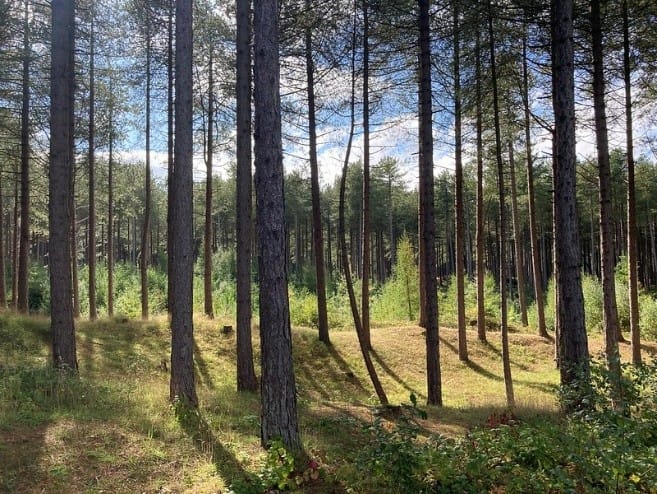
Woodland along the Sefton Coast is primarily formed of pine plantations established in the late 19th century, originally for commercial forestry and to help stabilise shifting sand dunes.
As a result, this is a relatively recent habitat that differs from the naturally developing dune system, but it has become an established and recognisable part of the modern coastal landscape.
Woodland within a Dune System
These plantations are not a natural component of a dynamic sand dune system and have contributed to some areas being in unfavourable condition. Dense tree cover can restrict sand movement and alter the open character of dunes, which is essential for many specialist species.
Restoring a balance between woodland and open dune habitats is therefore a key management challenge along the Sefton Coast.
A Stronghold for Red Squirrels
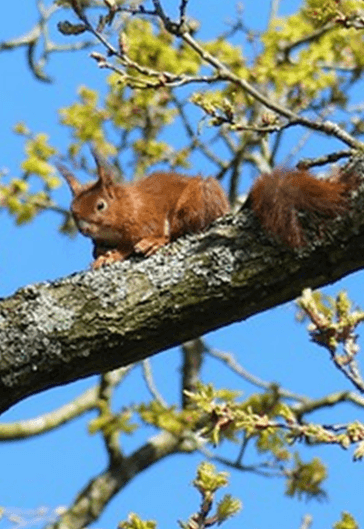
Despite this, the woodlands are of significant ecological importance. They provide one of the most important strongholds for red squirrel in England and are widely valued for this iconic species.
The plantations also create a popular and accessible setting for visitors, offering a contrast to the more open dune landscape.
Active Woodland Management
Woodland on the Sefton Coast is actively managed to maintain forest health and enhance biodiversity. Thinning operations play an important role by allowing light to reach the understorey, enabling the next generation of trees, shrubs and ground flora to establish and thrive.
This creates a more varied woodland structure and supports a wider range of species.
Responding to Coastal Change
In some areas, particularly along the frontal dunes such as at Ainsdale National Nature Reserve, coastal change and “coastal squeeze” are driving the need for more significant intervention. This can include selective clear‑felling of woodland.
These measures are necessary to improve the condition of designated sites, restore natural coastal processes and support nature‑based solutions such as natural flood management. Many of the trees in these exposed areas are no longer healthy or productive for species such as red squirrel, and without intervention would be lost to coastal erosion.
Balancing Woodland and Dune Restoration
Woodland management and, in some cases, removal is therefore an essential part of restoring the balance between habitats on the Sefton Coast. By reopening areas of dune and allowing natural processes such as sand movement to resume, these actions support both biodiversity and long‑term coastal resilience.
At the same time, retaining and managing woodland in appropriate locations ensures that important habitats continue to be available for wildlife and people.
Why It Matters
Woodland on the Sefton Coast represents a managed and evolving part of the landscape. While not naturally occurring within dune systems, it now provides important habitat for key species and valued spaces for visitors.
Careful, long‑term management is essential to ensure that woodland continues to deliver benefits, while also restoring and protecting the internationally important dune habitats that define the Sefton Coast.