
Coastal Hinterland
A Connected Landscape
The designated Sefton Coast does not sit in isolation from the surrounding landscape. The condition of coastal and estuarine habitats is closely linked to the wider hinterland of Sefton and the lowlands of the Lancashire Plain.
These inland areas provide functionally connected habitat that supports many of the species for which the coast is internationally important.
Supporting Birds Beyond the Coast
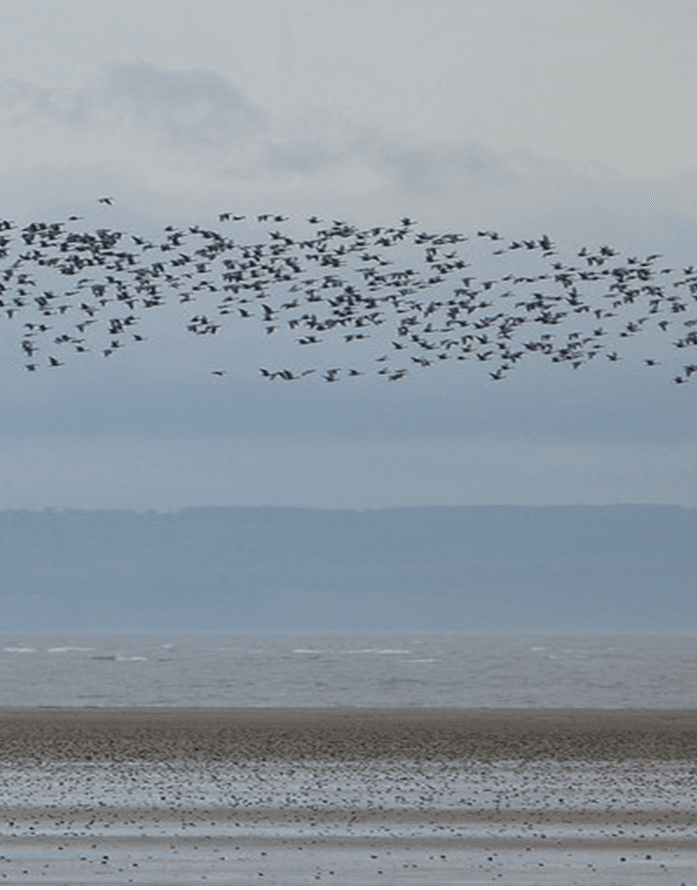
The bird populations of the Ribble and Alt Estuaries rely heavily on the surrounding hinterland. Beyond the urban gateways of Sefton, the landscape quickly transitions into fertile agricultural land, which provides important feeding areas for wintering wildfowl and wading birds.
Species such as whooper swan, pink‑footed goose and lapwing depend on these inland areas for foraging, making them an essential extension of the coastal habitat network.
Development Pressures on Supporting Habitat
This functionally linked land is under increasing pressure. Between 1997 and 2025, approximately 480 hectares (8.7%) of Green Belt land has been lost to development.
This loss reduces the availability of supporting habitat and highlights the importance of protecting and managing these areas as part of a wider ecological network.
The Role of the River Alt
The River Alt forms a key ecological corridor linking inland landscapes to the coast. Rising near Huyton and flowing northwards through Maghull and Lunt before reaching the Alt Estuary at Hightown, the river connects over 20 km of landscape.
This corridor plays an important role in transporting water and nutrients, enriching surrounding land that is used by geese, swans and wading birds.
Nature‑Based Solutions in the Hinterland
Within this corridor, Lunt Meadows Nature Reserve provides a strong example of habitat restoration and natural flood management. By reconnecting the river to its floodplain, the site enhances biodiversity while also providing floodwater storage that benefits local communities.
Projects like this demonstrate how the hinterland can deliver both ecological and societal benefits.
Coastal Squeeze and Habitat Loss
Along the sandy coastline between Crosby, Formby, Ainsdale and Southport, habitats are increasingly constrained between the advancing shoreline and urban development.
In areas experiencing coastal erosion, such as Hightown Dunes, this “coastal squeeze” restricts the natural ability of dune systems to recover, leading to gradual habitat loss where space for landward movement is limited.
Managing Change Across the Landscape
Addressing these challenges requires a landscape‑scale approach. This includes protecting functionally linked hinterland habitats, maintaining ecological corridors such as the River Alt, and identifying opportunities for nature‑based solutions.
Where possible, restoring natural coastal processes can help reduce the rate of habitat loss while improving resilience to climate change.
Why It Matters
The coastal hinterland is an essential part of the Sefton Coast’s ecological network. It supports internationally important bird populations, connects habitats across the landscape and provides opportunities for nature recovery and climate resilience.
Recognising and managing these connections is key to ensuring the long‑term health of both coastal and inland environments.
