
Policy and Legislation
Wider policy and strategic context
The following policy, strategies and guidance are relevant to the Nature Conservation Strategy (NCS) in terms of legal compliance, strategic approach to nature recovery, national targets and evidence. These plans and strategies provide a broad framework for development of a NCS Implementation Plan.
Following Exit from the European Union, the Government has introduced the Environment Act (2021). This is relevant to the Sefton Coast Nature Conservation Strategy in several ways. Notably: Local Nature Recovery Strategies; Biodiversity Net Gain; and the enhanced Biodiversity Duty.
Local Nature Recovery Strategies
Nationally, 48 areas are preparing Local Nature Recovery Strategies at City Region or County level. The Liverpool City Region Local Nature Recovery Strategy (LNRS) was adopted in March 2026. The LNRS provides a framework for nature recovery including local priorities and measures (actions).
A Local Habitat Map shows areas targeted for additional actions such as coastal conservation grazing and long/short lists of priority species have been developed with input from the SCLP to guide decision making.
The Nature Conservation Strategy has been developed alongside the LNRS to ensure conformity and influence coastal action so that it is appropriate for improving the condition of the Sefton Coast. This conformity adds additional weight to the Nature Conservation Strategy which will provide a leading mechanism for implementation and delivery of the LNRS in coastal areas.
Biodiversity Net Gain
Biodiversity Net Gain (BNG) is an approach to development that aims to leave the natural environment in a measurably better state than before development, by creating or enhancing habitats. From April 2024, all development with minor exemptions is required to achieve a mandatory gain of 10% BNG.
Outside of statutory designated sites and within the coastal hinterland there is potentially significant opportunities for the positive management of non-statutory designated sites and undesignated areas. Well-designed BNG provision can help address endemic issues such as spread of invasive species, pollution transfer and delivery of wider benefits such as flood risk management and coastal protection.
Habitat banks have not yet been registered in Sefton but the Local Authority and partners are exploring options and there are significant inland opportunities which could directly benefit the condition of the Coast.
Biodiversity Duty
Through the Environment Act (2021) public authorities such as Sefton Council and Natural England have an enhanced Biodiversity Duty to conserve and enhance biodiversity through their activities on the Sefton Coast.
North West Marine Plan
The North West Marine Plan published in 2021 introduces a high level approach to planning within the English inshore and offshore waters.
Marine Net Gain
Marine Net Gain (MNG) is yet to be fully determined but in essence it would follow similar principles to BNG on land. MNG is being developed for the marine environment which is highly dynamic and any losses would need to account for highly mobile species such as fish, marine mammals and sea birds as well as marine habitats.
Defra consulted on the principles of MNG in 2022 however no tool or mechanism has been agreed to measure impacts in the marine environment. However, MNG is likely to present opportunities for habitat restoration off inshore marine and coastal areas therefore is relevant to this Strategy. MNG pilots have commenced in 2026 and the SCLP is keeping a watching brief.
Shoreline Management Plan
Shoreline Management Plans cover the coastline of England and Wales. Sefton Coast sits within cell 11 ‘Great Orme’s Head in North Wales and the Scottish Border’ of the NorthWest Shoreline Management Plan (SMP).
The SMP provides a shared strategic approach to managing coastal flooding and erosion risks. Sefton Council leads on SMP monitoring in NorthWest England. Further information is available via the National Network of Regional Coastal Monitoring Programmes .
The SMP policies and action plan can be found in the Llandudno to Southport 11A | Shoreline Management Plans and are mapped on the Sefton Coast Map to inform delivery.
Environmental Improvement Plan
In December 2025, Defra updated the national Environmental Improvement Plan (EIP). The Plan provides a strategic framework and roadmap for nature and environmental recovery in England.
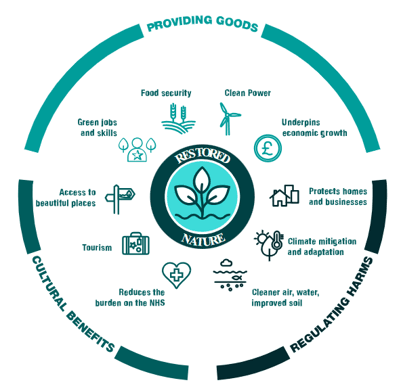
The EIP sets wider national environmental targets which the successful implementation of this Strategy aims to support:
- Halt decline in species abundance by 2030;
- Protect and conserve a minimum of 30% of land and sea for biodiversity by 2030 ‘30 By 30’;
- Target to reduce the risk of species extinction and create 500,000 hectares of wildlife-rich habitats by 2042;
- Restore 75% of protected sites to favourable condition by 2042.
Protected Sites Strategies
Protected Sites Strategies (PSS), introduced through the Act, give Natural England the ability to bring together local partnerships to address the environmental pressures affecting the conservation and long term management of Protected Sites.
The aim of PSS is to identify practical solutions to the key issues that are holding back nature recovery across the local landscape. Many Protected Sites are currently in unfavourable condition; some will be suitable for a PSS, while others will be improved through alternative measures.
Natural England’s Area Teams have identified the first potential locations where PSSs could be trialled in 2026. Further information on these trials and future PSS development will be shared as it becomes available.
Sefton Coast Nature Conservation Strategy has been refreshed following PSS principles so has a strong level of conformity should future opportunities arise for the Strategy to become a PSS.