
Communities – What We Did and What We Found

Introduction
As part of refreshing the Sefton Coast Nature Conservation Strategy, we worked closely with local residents, volunteers, landowners and partner organisations. Following guidance from Sefton Council’s Consultation and Engagement Panel, we carried out a broad programme of engagement to listen to views, share knowledge and gather evidence.
Engagement Activities
Our engagement programme included the following activities:
- A series of public talks on key conservation topics
- A programme of workshops with landowners, land managers, community groups and volunteers
- Engagement with three local high schools along the Sefton Coast
- Attendance at the InvestSefton Marketplace event
Full details of all engagement activities are available here
Public talks
Four public talks were held during summer 2024, focusing on priority issues for the Sefton Coast:.
- A Changing Climate and an Eroding Coast – 21 August 2024
- Invasive Species Management – 28 August 2024
- Bird and Insect Changes on the Coast – 4 September 2024
- Community Involvement, Engagement and Management on the Coast – 11 September 2024
These sessions provided opportunities to share current evidence and hear local perspectives.
Online survey
An online survey ran for 8 weeks, from 9 September to 3 November 2024, and received 347 responses from residents, volunteers, land managers and other stakeholders.
A full report of the survey results is available here:
Workshops
A series of workshops was held to support more detailed discussion with specific groups:
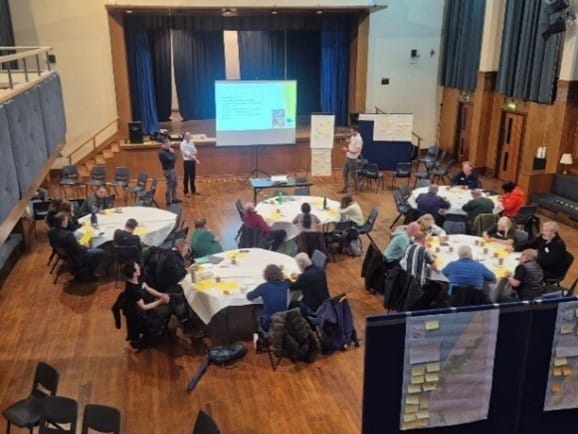
- Workshop 1: Landowners and land managers along the coast (6 December 2024)– A summary report is available here
- Workshops 2 and 3: Community groups and volunteers-
- Southport – 5 February 2025
- Bootle – 26 February 2025
A joint report covering Workshops 2 and 3 is available here
What we found
Our engagement shows strong community support for nature conservation on the Sefton Coast, alongside clear messages about the challenges it faces and how it should be cared for in the future.
A well‑used and highly valued coast
There is a vibrant conservation and volunteering community along the Sefton Coast, bringing together residents from a wide range of backgrounds to conserve and enhance the natural environment.
Nearly half of residents visit the coast at least weekly, with the most popular destinations being:
- Crosby Coastal Park
- National Trust Formby
- Ainsdale-on-Sea
- Southport Beach
- Hightown
Most residents visit the coast for:
- Mindfulness, relaxation and a sense of escape
- Enjoying scenery and watching birds or wildlife
- Spending time with family
- Dog walking
The Sefton Coast is widely recognised as special for its sand dunes, woodlands, estuaries and marine habitats. Residents value the sense of wildness, clean air and proximity to water, and many see all habitats as part of a single, interconnected ecosystem.
Volunteering and active involvement
Volunteering is an important reason for many visits to the coast. Volunteers contribute in a wide range of ways, including:
- Controlling invasive non‑native species, such as sea buckthorn
- Monitoring wildlife, including red squirrels
- Litter picking and practical site management
Recreation and wider uses of the coast
Many residents also visit the coastline primarily for recreation and enjoyment, with less direct interest in biodiversity. They tend to value the coast for:
- Access to open space
- General amenity
- Recreational experience
While these issues are important, they fall outside the scope of this nature‑focused Strategy. Other plans and initiatives, such as the Recreation Mitigation Strategy and gateway masterplans, will help address these wider recreational considerations.
Key challenges identified
Residents consistently highlighted three major challenges facing the Sefton Coast:
- Disturbance and pressure from people, including littering, anti‑social behaviour and poorly controlled dogs
- Lack of funding for management and conservation
- Climate change and coastal erosion
Other notable challenges included invasive species, scrub management and car‑parking access.
There was strong agreement that management should prioritise wildlife and coastal protection, while also balancing different land uses.
Support for conservation actions
There was strong support for a wide range of nature conservation actions, including:
- Grazing by cattle and sheep to benefit wildlife
- Fencing some dune slacks to protect natterjack toads
- Invasive species and scrub removal
- More volunteer groups and ranger presence
- Increased management of rear woodlands for red squirrels
- Some support (45%) for limited frontal woodland removal to allow dunes to thrive
Around half of residents supported creating gaps in dunes closest to the sea and increasing sandy habitats for wildlife, though many respondents were unsure of the benefits.
Priorities for local communities
Several actions that would benefit both wildlife and local communities emerged as priorities:
- Improved signage and notice boards
- Designated dog exercise areas
- Wildlife‑friendly routes with improved main pathways
- Education with schools and local communities, including the Countryside Code
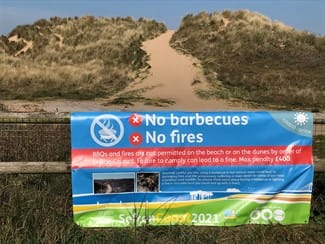
- Campaigns promoting responsible behaviour, such as No Fires and Take Litter Home
Key themes for this Strategy
Overall, engagement highlighted three clear priorities for the Strategy:
- Overwhelming support for wildlife action
- The importance of supporting volunteering
- Encouraging responsible use of the coast by residents and visitors
What young people told us
As part of our engagement, students from Formby High School (Year 7) and Chesterfield High School Sixth Form shared their experiences of the coast, what they value about it, and their hopes for its future. Together, their views provide valuable insight into how young people of different ages connect with the coastal environment.
Across both schools, students described the coast as a place for recreation, wellbeing and connection with nature.
Formby pupils most commonly mentioned swimming, dog walking, walking and picnics. Chesterfield students reported a wider range of activities, including cycling, fishing, running, bird watching, photography and yoga, as well as socialising and spending time outdoors.
Hopes for the future
Students from both schools expressed clear hopes for a cleaner, better‑protected and more biodiverse coast.
- Formby pupils prioritised less littering, more wildlife, and a clean and healthy sea
- Chesterfield students also called for more wildlife but highlighted improved access, facilities and investment in coastal management
Older students raised more detailed ideas, including zoning the coast to protect quieter areas for wildlife, and increasing education to build a stronger sense of public responsibility.
What they value and what concerns them
Both groups showed a strong appreciation for the coast’s wildlife, views and natural character, as well as its role in supporting mental health and wellbeing.
Key concerns included:
- Littering and pollution
- Climate change and coastal erosion
- Loss of wildlife and habitats
- Fires, wild camping and inappropriate development
Many students highlighted the importance of education, better behaviour, and effective management — including use of tools such as the Public Space Protection Order (PSPO) — to protect the coast for future generations.
Taken together, young people’s responses show that the Sefton Coast is seen not only as a natural asset, but as a vital space for health, wellbeing, and community, deserving of long‑term care and protection.