
Crosby Coastal Park
A Changing Shoreline
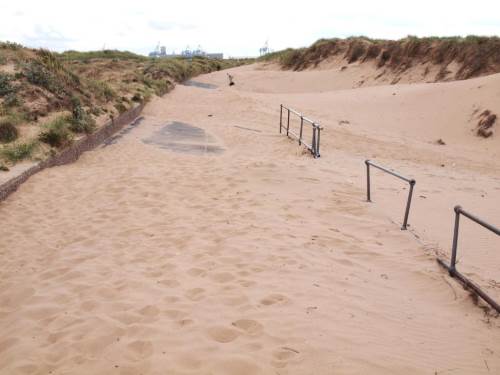
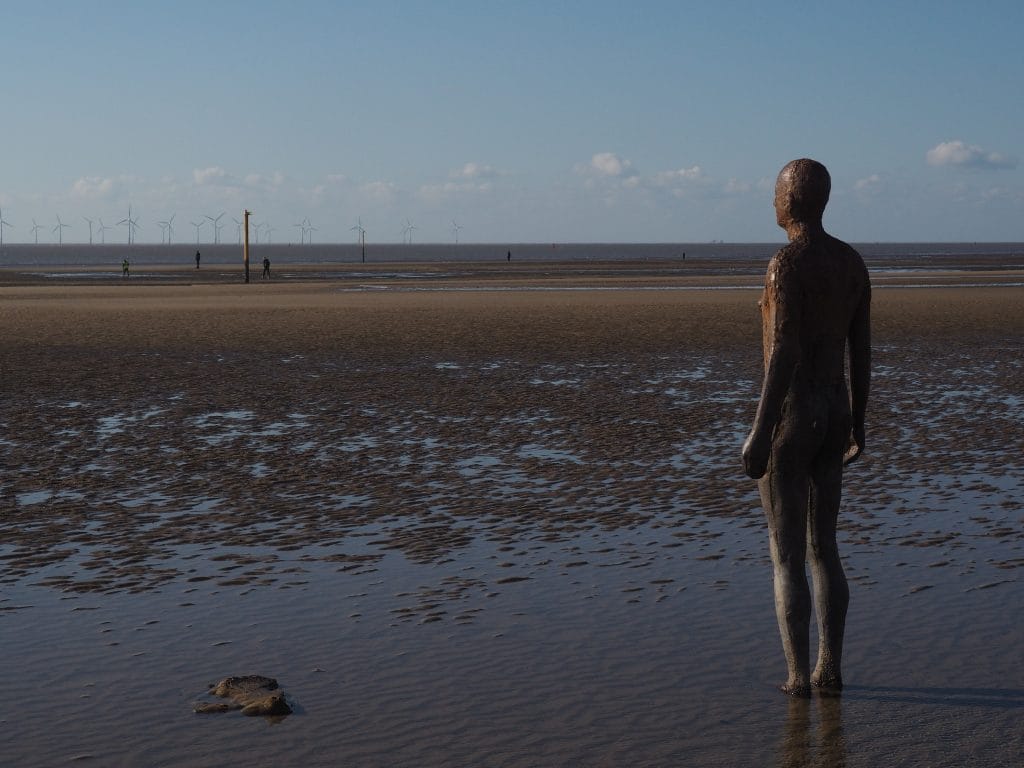
The build-up of sand along Crosby is unlike anywhere else on the Sefton Coast. This isn’t just nature at work—it’s the legacy of historic engineering in the Mersey Estuary. When the Mersey training walls were built, they changed tidal flows and sediment movement, slowing the natural removal of sand. Over time, this allowed huge amounts of material to settle along the shore.
How does it happen?
Sand doesn’t pile up evenly. Monitoring shows the fastest growth where the seawall sits back from the high-water mark, creating space for sand to settle and plants to take root. Once pioneer dune plants appear, they trap even more wind-blown sand, speeding up dune formation and stabilising the surface.
Benefits and Challenges
These growing dunes act as a natural coastal defence, reducing wave energy and helping protect the ageing seawall. But they also bring challenges—blocking promenade access, blowing sand onto paths, and changing views of the coast. Managing these impacts means working with nature, not against it.
Looking Ahead
As sea levels rise, relying on hard defences alone would mean costly upgrades. Allowing dunes to develop in front of the seawall is a strategic choice: it creates a natural buffer, extends the wall’s lifespan, and delays the need for full replacement. It’s a smart, sustainable way to protect our coast for the future.