
Birkdale & Southport: A Coast Shaped by Sediment and Saltmarsh
A Coastline Built by the Ribble
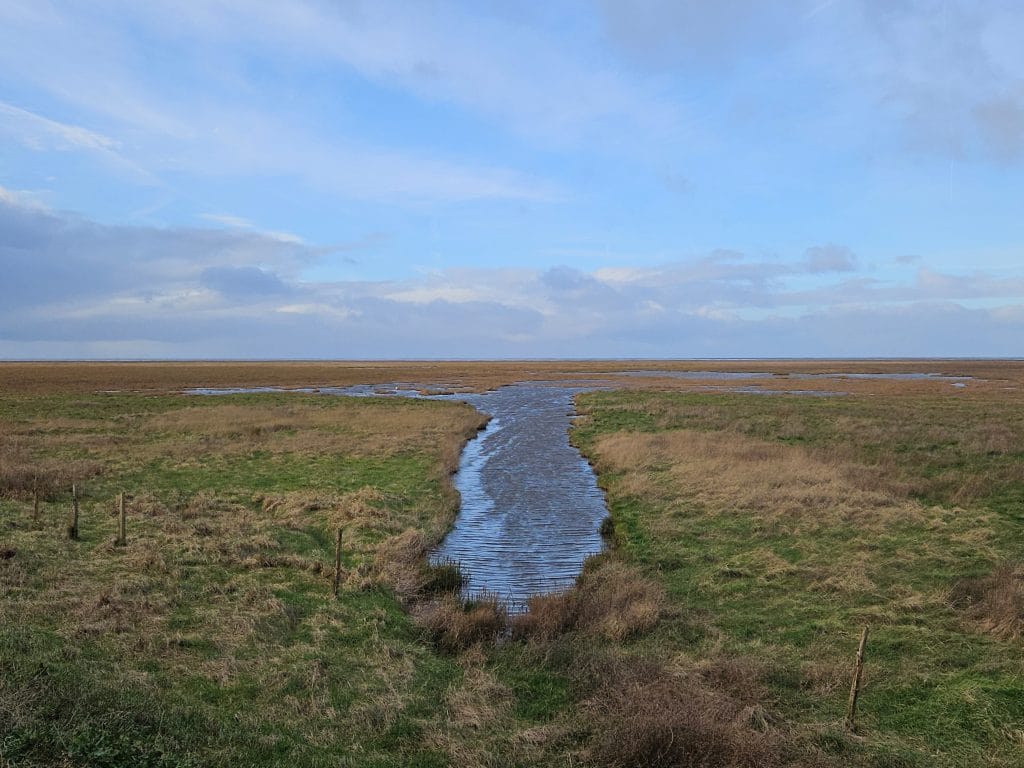
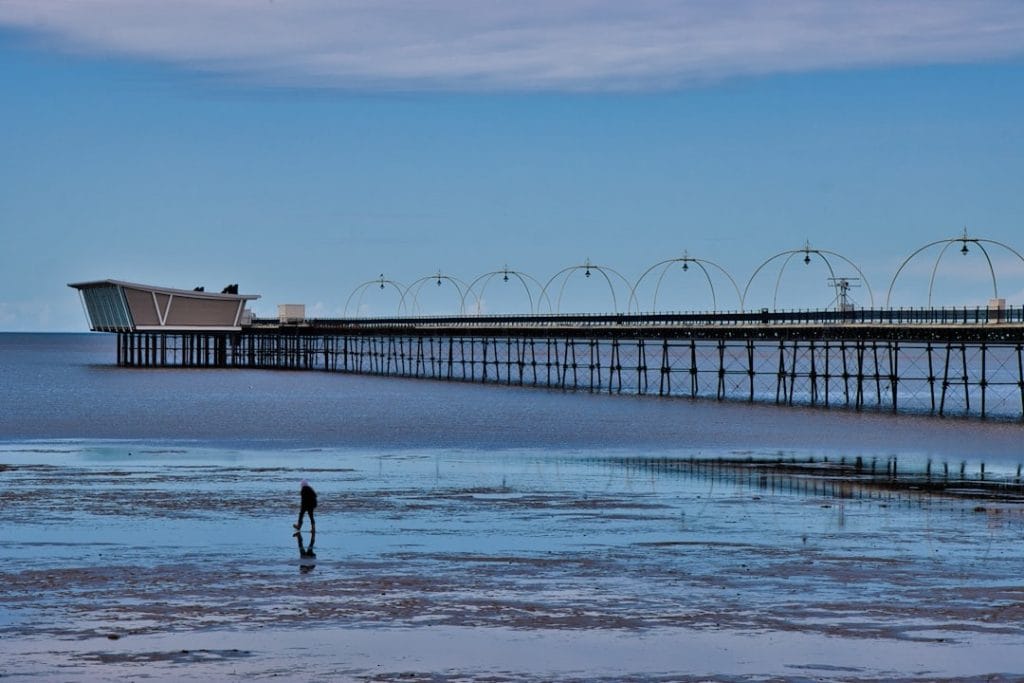
Southport’s shoreline continues to grow as fine sediment from the Ribble encourages saltmarsh formation.
North of Ainsdale, the coast is increasingly dominated by accretion. Large volumes of fine, muddy sediment are carried southwards from the Ribble, creating conditions that favour saltmarsh development. In recent years, following the cessation of raking and spraying on Southport Beach, saltmarsh has begun to re‑establish and is steadily extending along the coastline. Reintroducing these management measures is not supported, as this would work against natural coastal processes, require intensive ongoing effort, and is highly unlikely to recreate a golden sandy beach given the continued supply of muddy sediment from the River Ribble.
A Haven for Birds
Southport’s saltmarsh supports nationally and internationally important overwintering bird populations.
The developing saltmarsh provides vital feeding and roosting habitat for a wide range of waders and wildfowl, including pink‑footed goose, bar‑tailed godwit and wigeon. These areas contribute to the significance of the wider Ribble and Alt Estuary SPA/Ramsar site, which protects some of the most important bird populations in the UK.
Changing Dunes at Birkdale
While saltmarsh is expanding, the open dunes south of Southport have become more stabilised and fragmented.
Around Birkdale, dune habitats are gradually becoming overgrown due to scrub encroachment and limited active management. Hard sea defences, the coast road and surrounding urban development restrict the natural movement of sand, leaving only a narrow, fragmented strip of dune habitat. This area cannot return to a naturally mobile dune system, but without regular habitat management there will be very limited space for coastal specialists such as natterjack toad and sand lizard.
The Value of the “Green Beach”
Southport’s evolving saltmarsh offers significant natural flood protection as sea levels rise.
Although different from the sandy beach historically associated with Southport, the new “green beach” provides major environmental benefits. Saltmarsh can absorb up to 70% of wave energy, reducing erosion and lowering the risk of storm damage. As sea levels rise and extreme weather becomes more frequent, wide, healthy saltmarsh belts will form an essential natural defence against coastal flooding.