
Formby: A Dune System Under Pressure
What makes Formby different?
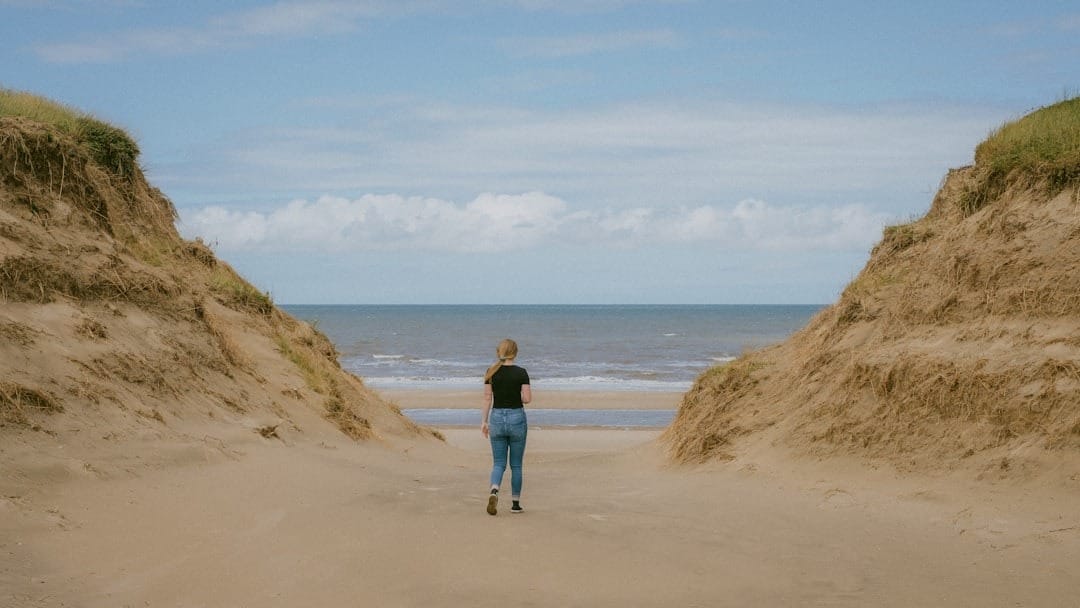
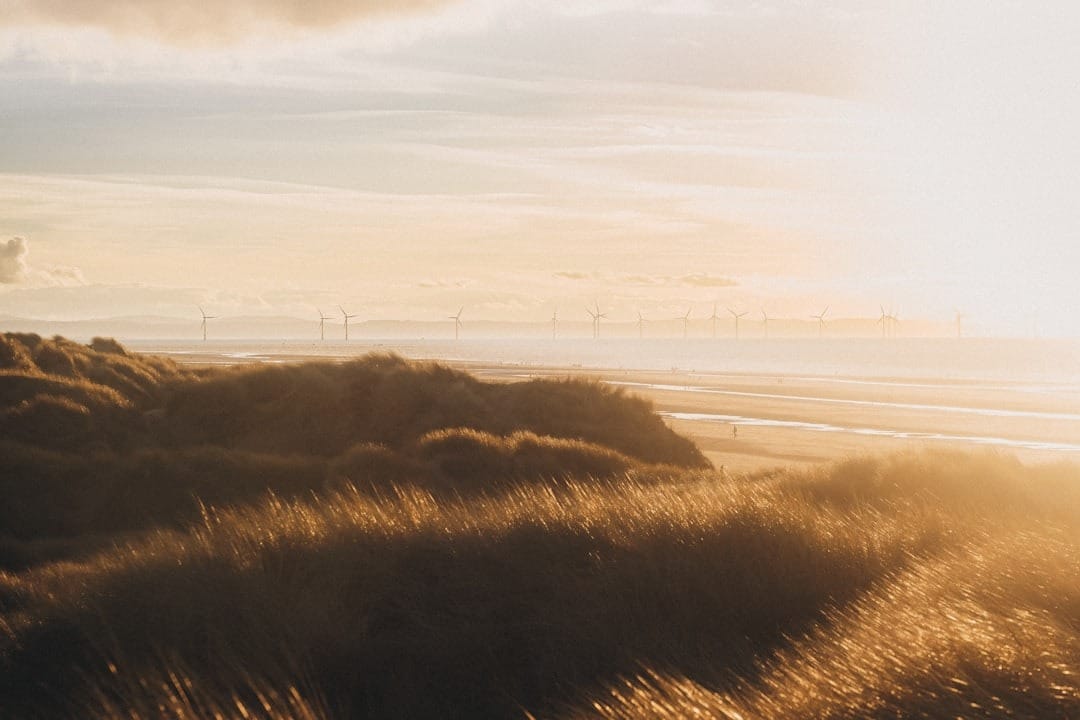
Formby is one of the most naturally dynamic stretches of the Sefton Coast. Historically, the dunes here have eroded at the seaward edge while new dune ridges formed inland, allowing the whole system to migrate landwards over time. This constant movement created a shifting pattern of dune slacks, ridges and open sand.
Barriers to Natural Movement
Human land use now prevents the dunes from rolling back as they once did.
Pine plantations, coastal infrastructure and fixed access routes have increasingly restricted how far the dunes can migrate inland. As a result, the natural balance between erosion and new dune formation has been lost. The shoreline continues to retreat, but the space for habitat creation behind it has disappeared.
A Narrowing Dune System
Important dune slacks are being lost and cannot reform due to lack of space.
Monitoring and aerial photography show that the active dune zone at Formby has become significantly narrower. Low‑lying dune slacks—vital breeding areas for species such as the natterjack toad—are eroding away. With no opportunity for the dunes to shift landwards, these features cannot re‑establish, leading to permanent habitat loss.
Coastal Squeeze and Future Change
Rising sea levels will intensify pressure on dunes that can no longer migrate inland.
This process, known as coastal squeeze, is expected to worsen as sea levels continue to rise. Even with careful ecological management, dune systems that are trapped between the sea and fixed human features will keep shrinking. At Formby, conservation efforts therefore focus on maintaining and improving the habitats that remain, rather than trying to prevent natural erosion.